








Railroads Helped Open New Lands to American Farmers
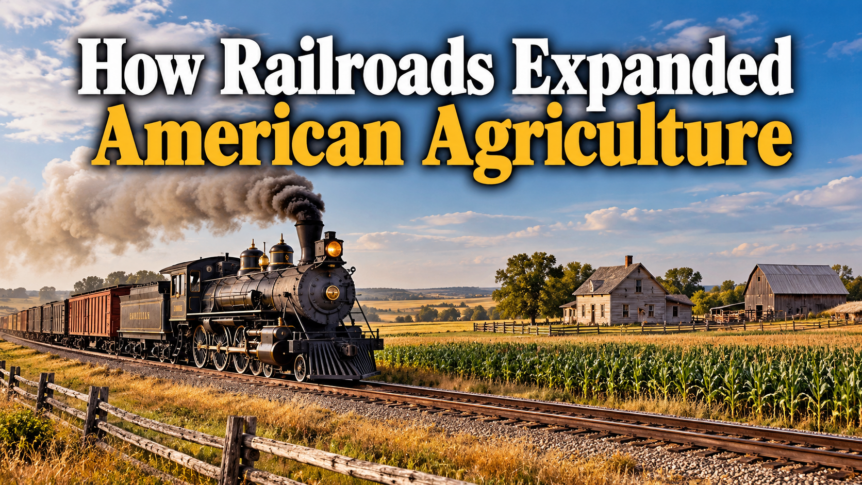
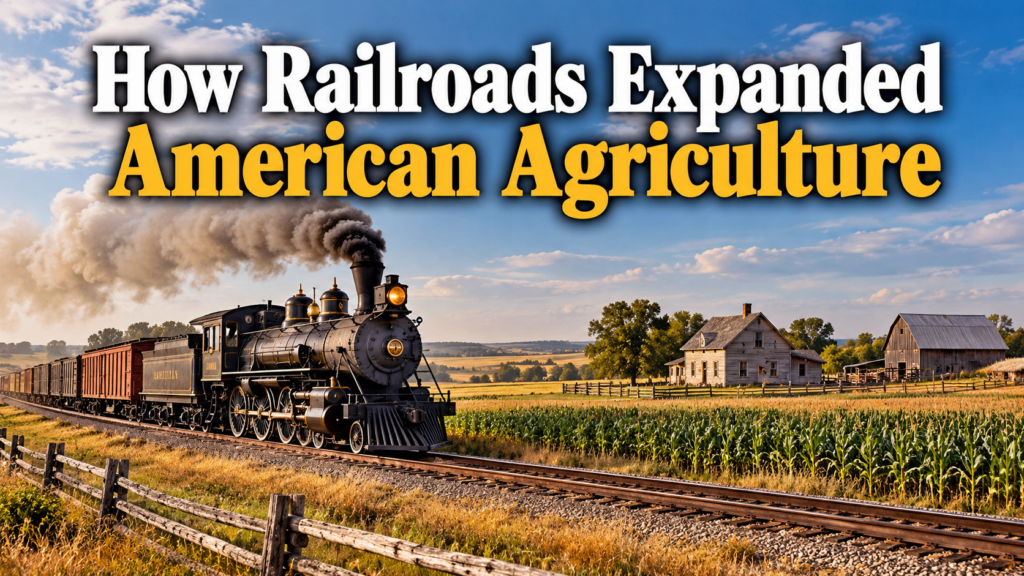
Railroads played a significant role in the expansion of American agriculture during the mid-19th century, helping bring settlers to new farming regions and encouraging the development of agricultural communities across the country.
As the United States expanded westward, federal land policies and railroad companies created opportunities for families seeking affordable farmland. The Homestead Act of 1862 offered one pathway to land ownership, while railroad companies attracted additional settlers through low-cost land sales and immigration promotions.
Together, these efforts helped transform large areas of the American frontier into productive agricultural land.
The Homestead Act of 1862 Created Opportunities for Settlers
The Homestead Act of 1862 was an important part of the federal government’s effort to encourage settlement in the western United States. Under the law, eligible settlers could claim up to 160 acres of federal land, subject to requirements that generally included living on and improving the property.
As Mark Oppold explains in the American Agriculture History Minute, approximately 400,000 families settled new lands under the Homestead Act, taking advantage of opportunities to establish farms and build new lives.
For many families, access to land offered the possibility of economic independence and a future in agriculture. Settlers cultivated fields, established homesteads and helped develop rural communities in regions that had previously experienced relatively limited Euro-American settlement.
However, the Homestead Act was not the only route to acquiring farmland. Railroad companies also became major players in encouraging agricultural settlement.
Railroad Companies Used Affordable Land to Attract Farmers
During the expansion of the railroad network, companies sought more than tracks and stations. They also needed customers, freight shipments and communities that would support their operations.
Selling land to farmers helped railroads accomplish those goals. Companies promoted affordable land opportunities, sometimes offering financing arrangements with low interest rates, to encourage families to settle along their routes.
As farms and towns developed, railroad companies could benefit from increased demand for passenger transportation, agricultural shipping and other services. Farmers, in turn, gained access to transportation networks that could connect their communities with distant markets.
This relationship helped link agricultural development with railroad expansion. Affordable land encouraged settlement, while rail transportation offered farmers a way to move crops and other products beyond their immediate communities.
Railroads Advertised Across Europe to Bring Farmers to America
Railroad companies looked beyond the United States to find settlers for the lands they wanted to develop. According to Oppold, railroads advertised extensively throughout Europe, promoting opportunities for families interested in farming in America.
Companies offered low-cost fares to help bring hundreds of thousands of farmers and other immigrants from Germany, Scandinavia and Britain to the United States.
For European families, these offers presented the possibility of acquiring farmland and establishing a new future. For railroad companies, attracting immigrants helped create the population centers and agricultural markets needed to make their investments more profitable.
The arrival of these settlers also contributed to the cultural diversity of American farming communities. Immigrants brought agricultural knowledge, traditions and experience that helped shape farming practices in their new homes.
Connecting Farmland With Growing Markets
Railroads helped change how American agriculture operated by connecting farms to markets over greater distances. As agricultural communities expanded, rail transportation made it increasingly practical to ship farm products to population centers and commercial markets.
This connectivity strengthened the relationship between land settlement and agricultural production. Farmers needed dependable ways to transport their harvests, while railroads benefited from the freight generated by expanding agricultural activity.
The expansion of farming across the American West was shaped by several forces, including federal land policies, private investment, immigration and transportation development. Railroad companies played a particularly important role by combining land sales with efforts to attract settlers and build demand for their services.
It is also important to recognize that westward settlement took place on Indigenous lands and was associated with the displacement of Native American communities. The growth of American agriculture during this period was therefore part of a broader and often contested transformation of the nation’s land and economy.
Listen to the American Agriculture History Minute
In this edition of the American Agriculture History Minute, Mark Oppold examines how railroads helped encourage agricultural settlement during the 1860s and beyond. From the Homestead Act of 1862 to railroad land sales and European immigration, the story illustrates how transportation companies helped shape the development of American farming.