









Ag Meter Interview Highlights Fuel Costs, Farm Power and Propane Incentives
Rising energy costs are putting additional pressure on California farmers, but propane may offer an alternative for irrigation, power generation and other agricultural applications.

During a recent interview with “The Ag Meter”, host Nick Papagni spoke with Michael Newland, Director of Agriculture Business Development for the Propane Education and Research Council (PERC), about propane’s role in agriculture, its supply outlook, potential cost advantages and incentives available to farmers considering a transition.
Newland said the timing of the conversation is particularly relevant as energy markets face renewed volatility.
Propane Plays a Major Role in Agriculture
According to Newland, the agricultural sector uses approximately 1 billion gallons of propane annually.
He said propane has remained an important agricultural fuel because of the wide range of applications where it can be used, including operations that require significant amounts of energy.
Newland also pointed to propane’s energy density and said some agricultural applications may not translate easily to electrification.
“We do it very efficiently, very effectively, and very cost-effectively with propane,” Newland said.
For farmers facing higher expenses for labor, fertilizer, freight, water and other inputs, controlling energy costs can become an important part of managing the overall cost of production.
Propane Supply Remains Strong
One of the points Newland emphasized was the stability of propane supplies.
He said approximately 97% to 98% of the propane used in the United States is produced domestically, with some additional supply coming from Canada for logistical reasons.
Newland said propane production is increasing and that wholesale propane prices had remained relatively stable since he and Papagni met at the World Ag Expo in February.
That domestic production base, he said, provides propane with a different supply profile than some other energy sources.
Propane Can Be Used for Farm Power Generation
Newland described propane as a relatively simple fuel for agricultural operations to adopt.
He said farmers do not face the same spill and containment concerns associated with some liquid fuels and noted that propane tanks can be installed relatively quickly.
For a new agricultural well or power-generation application, Newland said a propane supplier could potentially install a tank and have the operation running quickly, depending on availability and circumstances.
He also said propane-powered generation can potentially produce electricity on a farm at a lower cost than purchasing electricity from the grid, depending on the circumstances.
Propane Farm Rebate Program Offers Incentives
One of the most significant topics discussed during the interview was PERC’s Propane Farm Rebate Program.
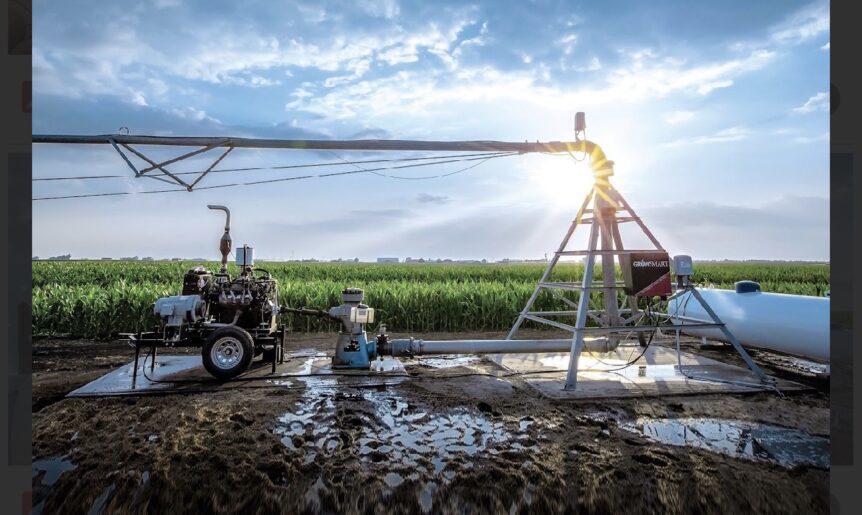
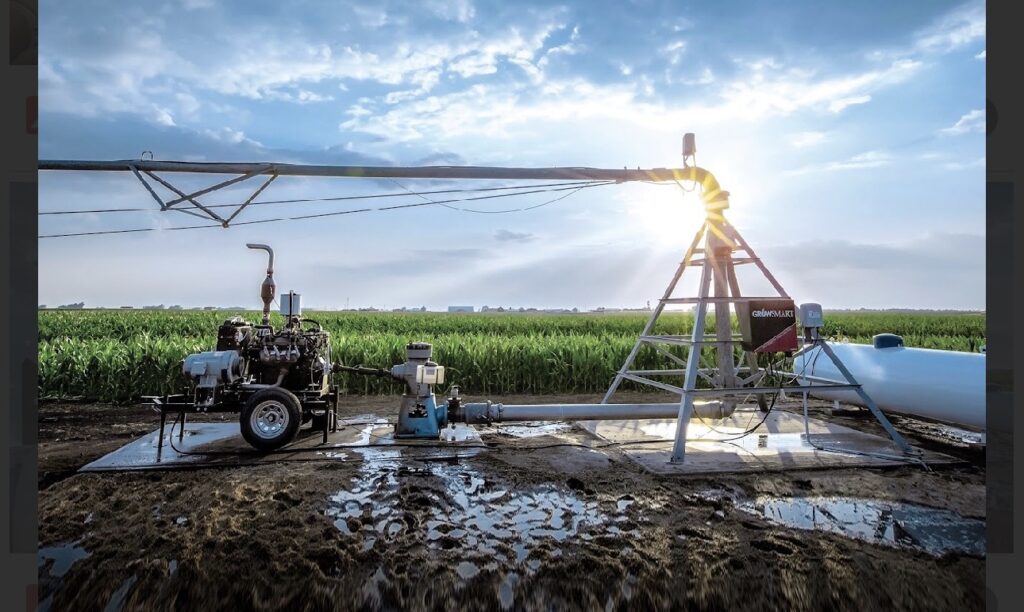
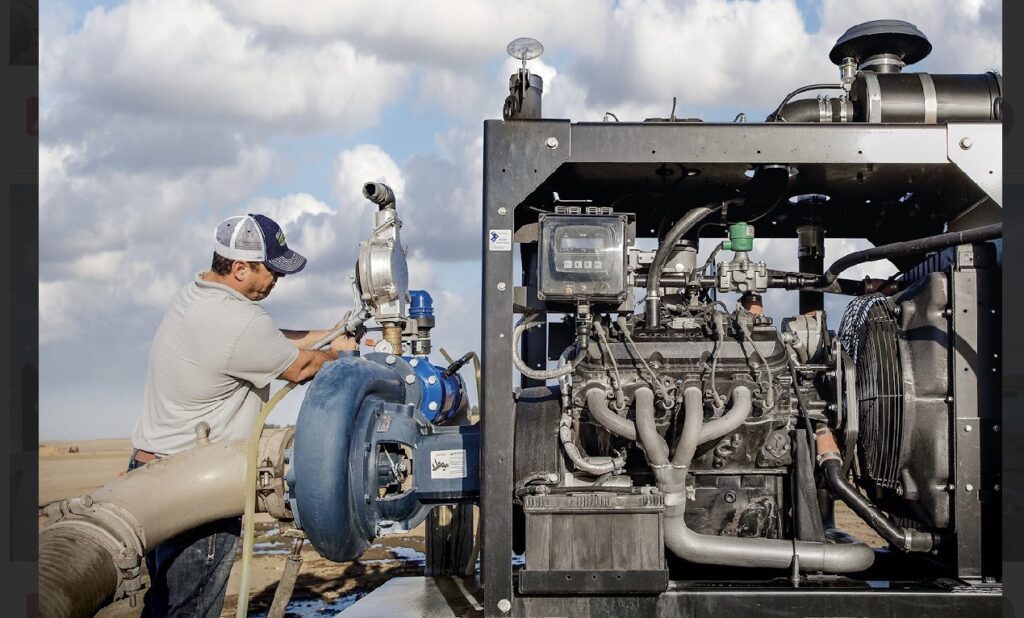
Newland said farmers purchasing qualifying new equipment, including irrigation engines and power-generation units, may be eligible for a rebate.
In exchange, participating farmers are asked to provide first-year operating information, including hours of use, fuel consumption and any operational issues. That information can be used to help manufacturers improve equipment.
Newland said rebates are currently available for up to $10,000, with the amount varying depending on the type of equipment purchased.
He described the program as an opportunity for farmers who are considering making the transition but want additional financial assistance.
The transcript directs farmers to propane.com/farm funding for the rebate application and program details.
Farmers of All Sizes Can Consider the Transition
Papagni asked whether propane is primarily an option for large agricultural operations or whether smaller farmers can also participate.
Newland said the opportunity is available to farmers of different sizes.
He specifically encouraged farmers using diesel-powered irrigation or power-generation equipment on a regular basis to investigate whether propane could make economic sense for their operation.
Newland recommended that farmers discuss local propane pricing with suppliers because prices can vary by location. Farmers who do not already have a propane supplier can use the supplier locator on propane.com by entering their ZIP code.
Propane Generation Could Provide an Alternative to the Electric Grid
The conversation also addressed farmers who currently rely on electric irrigation pumps.
Newland said some agricultural operations around the country have installed propane-powered generation units at wells and used them to power existing electric pumps.
Under that arrangement, the irrigation pump remains in place, but the source of electricity changes from the utility grid to a propane-powered generation system.
Newland said such systems can potentially reduce exposure to peak electricity pricing and provide an alternative during periods when grid reliability becomes a concern.
Farmers could then operate irrigation according to their own schedules rather than being as dependent on utility pricing periods.
Equipment Technology Continues to Develop
Newland said propane equipment technology is also expanding.
He pointed to engine manufacturers developing additional propane-powered units and said the available range of power-generation equipment extends from relatively small systems to much larger applications.
He cited propane systems ranging from approximately 30-kilowatt residential backup units to megawatt-scale generation, depending on the application and available equipment.
Agriculture remains one of the areas where Newland sees additional opportunities, including irrigation, power generation, heating and water heating.
He also indicated that PERC is working on additional agricultural applications that have not yet been announced.
How Farmers Can Learn More
For farmers interested in learning more about propane applications, Newland directed listeners to propane.com.
For information specifically about the Propane Farm Rebate Program, he directed farmers to propane.com/farm funding, where the application and program details are available.
Newland also said farmers with additional questions can find him through the PERC staff page and contact him directly.
As energy costs remain an important concern for agricultural producers, the interview highlighted propane as one potential option for farmers to evaluate alongside their existing energy sources.
Listen to the full interview with “The Ag Meter” Nick Papagni and Michael Newland for the complete conversation about propane, irrigation, farm power generation, energy costs and the Propane Farm Rebate Program.