










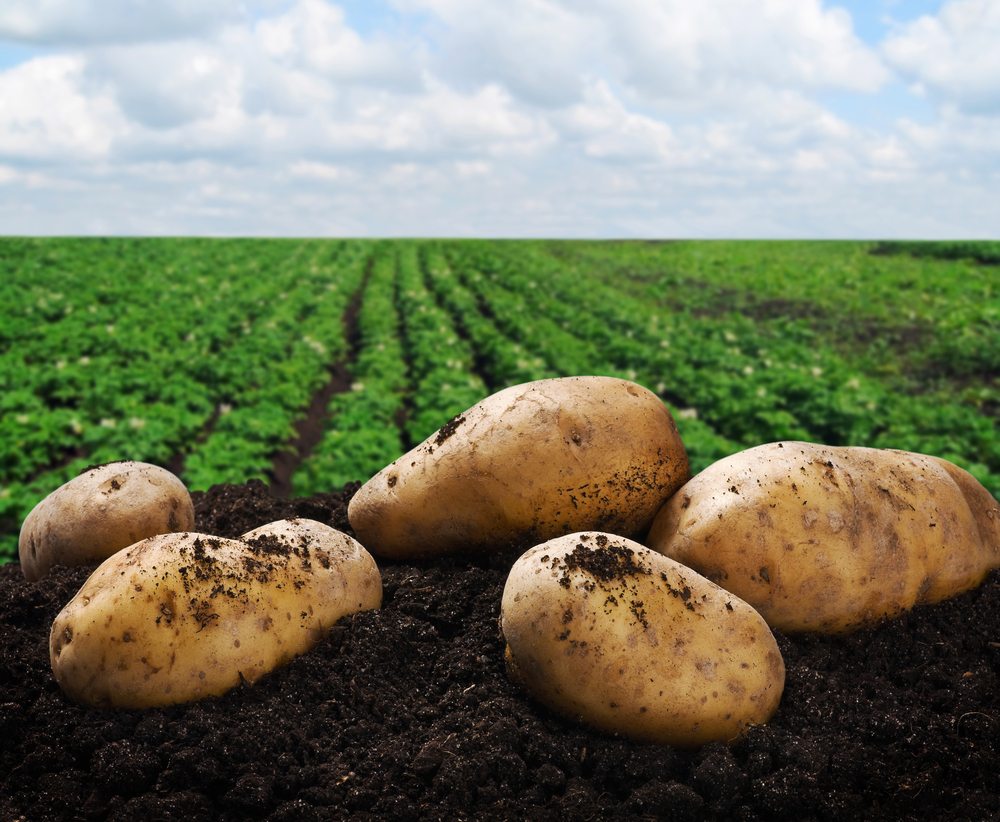
Potato breeding research is examining ways to reduce tuber damage during harvesting, storage and packing, with the goal of helping growers deliver more potatoes that meet market standards. Research is examining how potato characteristics, including skin quality, shape, size and bruise resistance, influence damage as tubers move through handling equipment. The work is focused on improving the number of potatoes that remain marketable after harvest and grading, rather than simply increasing the amount produced in the field.
Research Targets Potato Bruise Resistance and Quality
Potatoes can experience damage at several points between harvest and the market. Bruising, internal defects and other quality issues can affect whether tubers meet buyer specifications, potentially reducing the amount growers can sell.
Researchers are examining how physical characteristics such as skin properties, tuber shape and size contribute to a potato’s ability to withstand handling. Studies have also explored genetic traits associated with bruise resistance, which could help breeders identify and develop varieties better suited to handling conditions.
Improving these traits could help reduce losses as potatoes move through harvesting and packing operations, where equipment and repeated handling can affect tuber quality.
Technology Could Help Identify Internal Defects
In addition to studying potato genetics and physical characteristics, researchers are evaluating technologies that could improve quality assessment.
Methods for detecting internal defects and imaging technology designed to measure tuber size and volume are among the approaches being explored. These tools could provide additional information about potato quality and help identify issues that may not be visible during routine handling.
However, researchers note that some of these approaches still require further testing and validation before they can be applied more broadly.
Improving the Share of Potatoes That Reach the Market
The overall goal is to increase marketable yield by reducing damage and improving quality throughout the supply chain. A potato crop may produce a strong field yield, but losses during harvesting, storage and packing can reduce the amount that ultimately meets market standards.
By identifying desirable genetic traits and improving ways to evaluate tuber quality, breeders hope to help growers protect more of their crop after it leaves the field.
The research highlights the importance of looking beyond production alone. Reducing damage during handling could help growers make better use of the potatoes they produce and deliver a greater share of their crop to the market.
Listen to the accompanying report for more on potato breeding research and efforts to reduce tuber damage while improving marketable yield.