








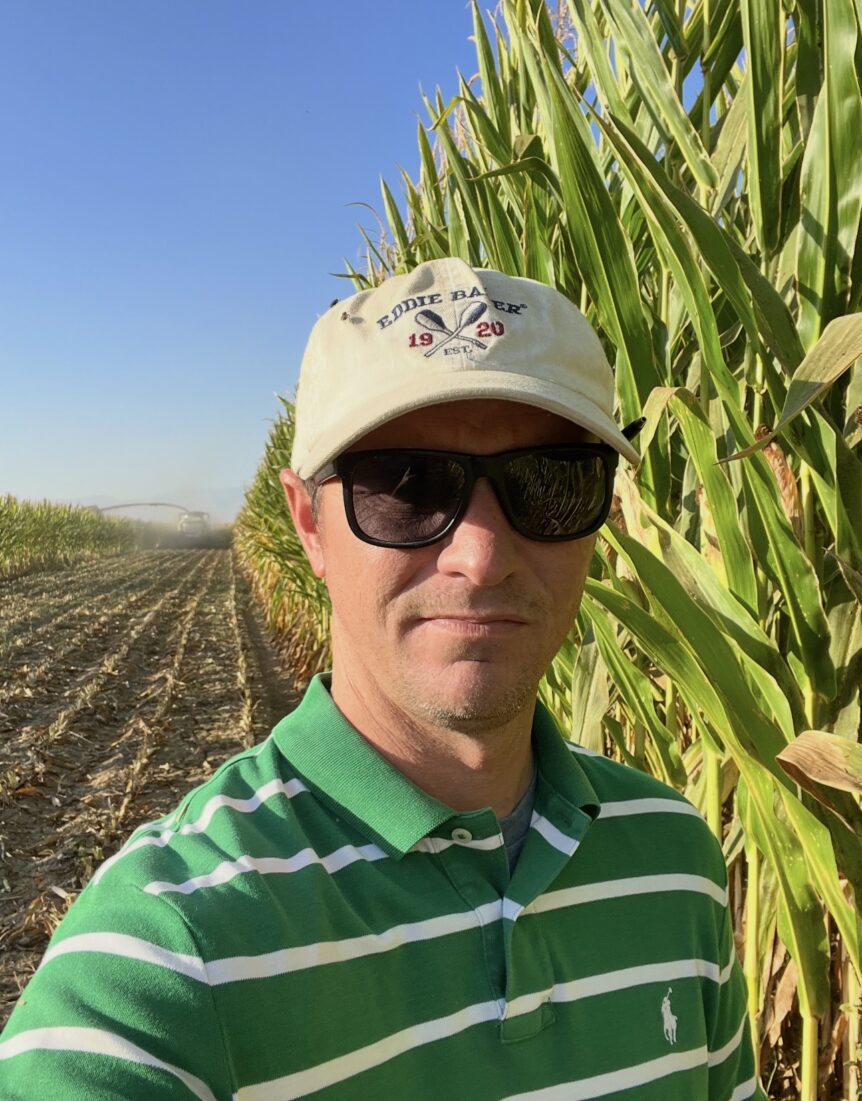
California agriculture is facing a complicated mix of water shortages, rising fuel costs, regulatory pressure, labor challenges and rapid technological change. For fourth-generation Kern County farmer Jason Giannelli, those challenges are not theoretical—they are part of the daily reality of keeping a family farming operation productive.
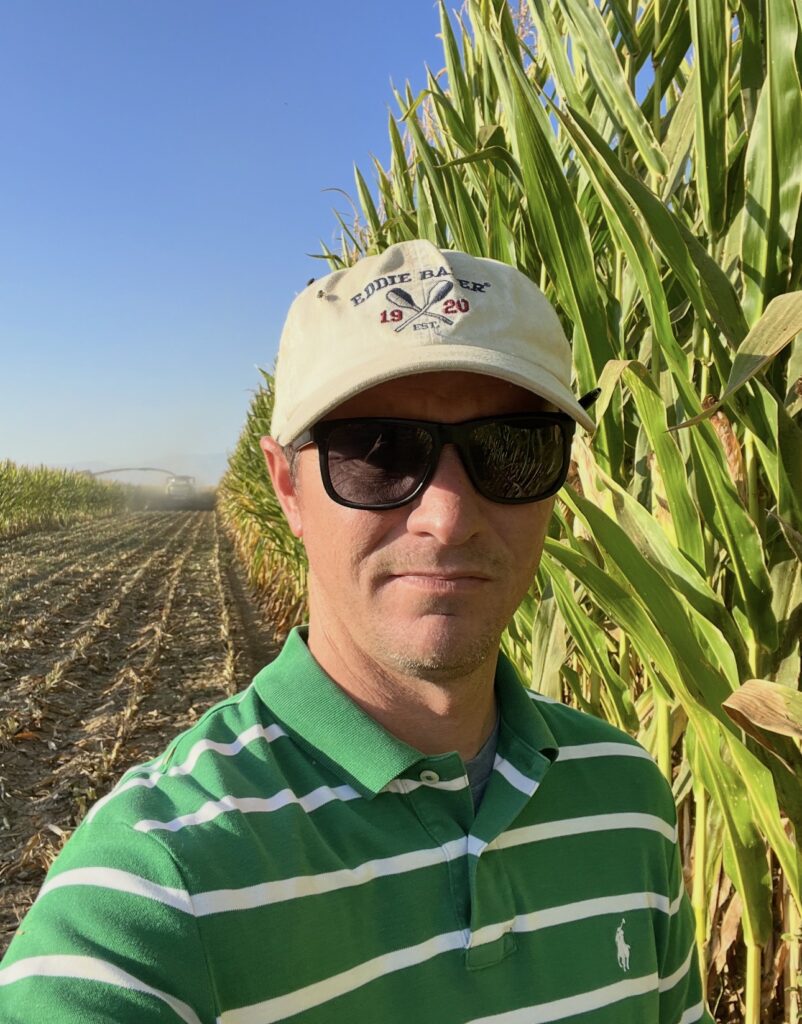
Giannelli, director of farming for Old River Farming and R&G Fanucci and president of the California Water Alliance, joined “The Ag Meter” Nick Papagni for a wide-ranging conversation about water, agriculture, energy, technology and the future of farming in California.
Giannelli also serves on the boards of the Water Blueprint, Central Valley Business Federation and Kern County Water Association.
Water Challenges Continue for Kern County Farmers
As the farming season winds down, Giannelli said the water situation remained particularly difficult. His operation had to make tough decisions, including leaving some ground empty, but ultimately made it through another challenging year.
The operation farms in Kern and Kings counties, with approximately 99 percent of its production dedicated to dairy feed. Current activities include harvesting corn silage, milo and Sudan grass while preparing fields for triticale, a wheat-type crop used by dairies.
Giannelli said dairy producers are also dealing with weak milk prices while facing additional regulatory requirements involving nitrogen and manure-water applications.
For Giannelli, successful farming requires constant attention to agronomy, soils, markets and positioning.
“We take crap and we make it good,” he said, describing the work involved in turning agricultural resources into productive crops.
Surface Water Deliveries and SGMA
Water remains one of Giannelli’s primary concerns through his work with the California Water Alliance.
He said increasing reliable surface-water deliveries is essential to balancing groundwater basins and reducing pressure on groundwater supplies. While he does not expect the Sustainable Groundwater Management Act, or SGMA, to disappear, he believes more surface water could help improve the situation.
Giannelli also discussed preparations for future weather extremes, saying farmers prepare every year for drought, floods and normal water years.
On-farm water storage, however, can involve significant regulatory challenges. He said farmers do not automatically receive water-quality exemptions simply because water is being stored on agricultural property.
Another frustration, Giannelli said, is paying for 100 percent of a water allocation while receiving substantially less. He said farmers received a maximum of about 40 percent of their allocation this year despite paying for the full amount.
He compared the situation to purchasing a house and paying for 100 percent of it while receiving only 40 percent of the completed structure.
Fuel Costs and California Refining Capacity
Fuel costs are another major concern for Giannelli’s operation.
He said he purchased significant quantities of diesel earlier in the year, when prices were around $2.75 per gallon, as part of an effort to hedge against future increases.
Giannelli said farmers must constantly position their businesses to deal with unpredictable markets.
He also expressed concern about California’s refining capacity and refinery shutdowns. California supplies fuel not only to its own residents and businesses but also to neighboring states such as Nevada and Arizona.
He warned that another major refinery shutdown or disaster could create serious problems for the region’s fuel supply.
Agricultural Technology Could Help Address Labor Challenges
Giannelli said his own operation did not experience major labor problems this year, although he knows other agricultural businesses did.
He is also involved with the California AgTech Alliance, a statewide organization of farmers and industry representatives focused on agricultural technology, efficiency and labor challenges.
Automation, Giannelli said, is advancing rapidly. However, he believes regulatory decisions will determine how quickly California farmers can adopt new technologies.
The California AgTech Alliance is working through the University of California system to evaluate emerging technologies and demonstrate their safety and effectiveness.
Giannelli believes regulators need to work directly with farmers and agricultural experts rather than making decisions without understanding how equipment actually operates in the field.
California Agriculture and Food Security
The conversation also turned toward the long-term future of California agriculture.
Giannelli emphasized the importance of maintaining a productive agricultural sector as the population grows. He pointed to the small percentage of Americans involved in producing food for the rest of the population and questioned whether that model can remain sustainable if agricultural production continues to shrink.
He also welcomed efforts by some elementary and junior high schools to bring agriculture back into the classroom.
Giannelli was an FFA member growing up, although he said his experience was different because he was already involved in farming.
Raising the Next Generation on the Farm
Perhaps the most personal portion of the interview involved Giannelli’s children.
He regularly shares videos of his daughters working and spending time on the family farm through Instagram, Facebook, X and LinkedIn.
For Giannelli, the videos are a way of showing people the reality of a family-run agricultural operation while creating memories for his children.
Whether his daughters ultimately become farmers is up to them. One of his daughters, who is 12, has already talked about becoming an attorney—with a particular interest in water law.
Giannelli said he would be happy with that path as well.
His priority is giving his children the opportunity to experience agriculture and understand the hard work, responsibility and family history behind the operation.
California Water Alliance Forum Coming October 1
Giannelli encouraged listeners to attend the California Water Alliance water forum October 1 at Belmont Country Club.
He said the event will examine water from a broader health and human perspective, rather than focusing solely on agriculture.
According to Giannelli, reliable water deliveries support farms, jobs, economic activity and tax revenue in communities. He also raised concerns about the potential public-health consequences of leaving more agricultural land fallow, including concerns surrounding Valley fever and asthma.
The forum is intended to broaden the conversation about why water matters to California communities and industries beyond the farm.
Giannelli Urges Voters to Participate
As the interview turned toward the upcoming election, Giannelli encouraged Californians to participate and evaluate candidates based on what he described as common sense and logic rather than simply voting along party lines.
He emphasized the importance of voter registration and turnout.
“Just get out and vote and do your civic duty of voting,” Giannelli said.
Throughout the interview, water policy, agriculture, energy, regulation and food production remained central themes.
Listen to the Full Ag Meter Interview
From California’s water challenges and SGMA to fuel prices, agricultural technology, dairy feed production and the future of family farming, Giannelli offered Papagni a detailed look at the issues affecting farmers across the Central Valley.
The conversation also provides a personal glimpse into a fourth-generation farmer who is working to preserve his family’s agricultural tradition while preparing for the next generation.
Listen to the full “Ag Meter” interview with Nick Papagni and Jason Giannelli for the complete discussion and Giannelli’s firsthand perspective on California agriculture, water and the challenges facing farmers today.