









German and European Immigrants Shaped American Farming
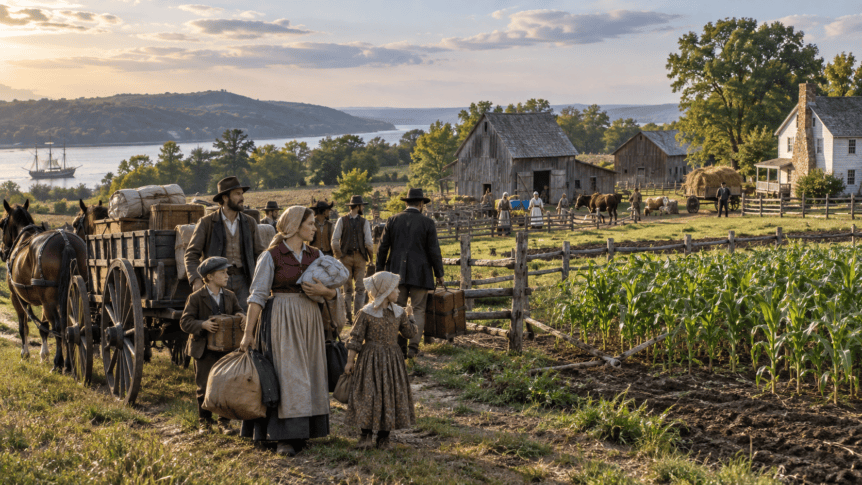
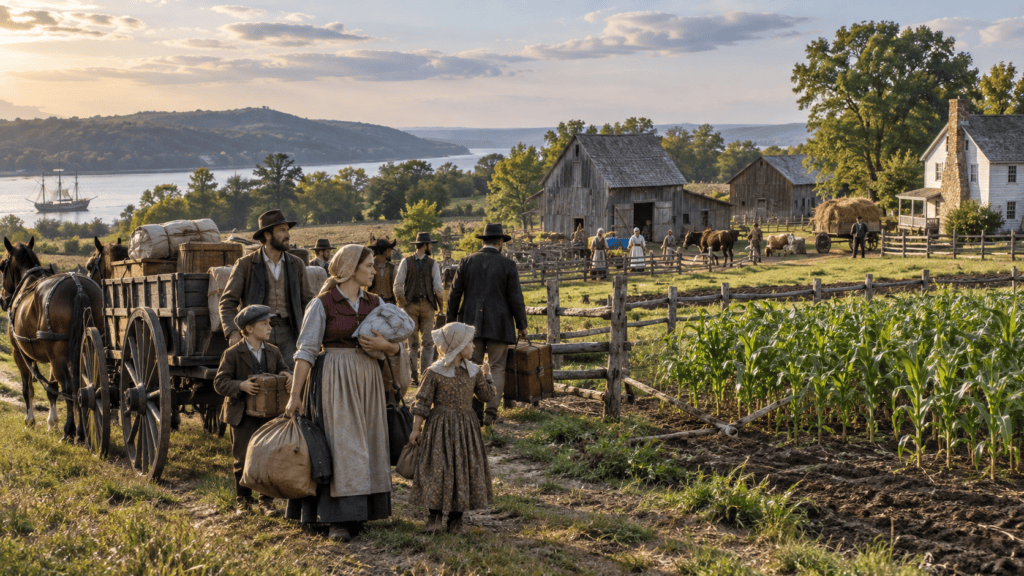
Ethnic groups played an important role in the development of early American agriculture, bringing different farming practices, traditions, skills, and experiences to the growing agricultural economy.
German immigrants, for example, introduced agricultural practices and traditions that differed from those of English, Scottish, and Irish farmers. Their contributions became part of the diverse agricultural culture developing throughout early America.
However, many immigrants did not immediately become independent farmers. For newly arrived Europeans, agriculture and related industries often provided an entry point into the American workforce.
From Wage Laborers to Landowners
Many immigrants began their American careers as wage laborers. Merchants and artisans sometimes recruited teenage workers from Europe, paying their transportation to America in exchange for their labor. Once they arrived, these young workers could be placed in factories or other businesses where their skills were needed.
The textile industry provided another important connection between European immigrants and American farm families. Merchants purchased products such as wool and flax from farming families and used those materials in manufacturing and textile production.
Newly arrived immigrants who had previously worked as textile workers in Ireland and Germany could find employment in these industries. Their European experience provided useful skills while allowing them to establish themselves economically in their new country.
Building a Path to Farm Ownership
For some immigrants, wage labor was only the beginning of their American agricultural story. By working, saving money, and building economic stability, they eventually earned enough to purchase their own piece of land.
That transition—from immigrant laborer to landowner—was an important part of the development of American agriculture. It also illustrates how farming was connected to manufacturing, trade, immigration, and the broader economy during the nation’s early years.
The story of these immigrants demonstrates that America’s agricultural history was shaped not only by those who already owned farms, but also by newcomers who arrived with skills and traditions from Europe and gradually established themselves as landowners and members of rural communities.
American Agriculture History Minute
This installment of the American Agriculture History Minute, hosted by Mark Oppold, highlights the important role European immigrant groups played in the development of early American agriculture and the economic pathways that allowed some immigrants to move from wage labor into farm ownership.
Listen to the full American Agriculture History Minute for more stories about the people, innovations, and traditions that helped shape American agriculture.