









Early American agriculture was influenced by more than just fertile land and hard work. The farming traditions and cultural practices brought by immigrants from Europe played a major role in shaping how agriculture developed across the United States. Different ethnic groups introduced unique approaches to farming, livestock management, and land stewardship that helped build the foundation of American agriculture.
This edition of American Agriculture History Minute with Mark Oppold, highlights how German, Scottish, and Irish immigrants each contributed to the evolution of farming practices in early America.
German Immigrants Brought Innovation and Family Farming Traditions
According to Oppold, German immigrants had a significant impact on early American agriculture through both their farming methods and their approach to family life.
Unlike many other settlers who relied on horses for fieldwork, German farmers generally preferred using oxen for plowing. Oxen were valued for their strength, endurance, and reliability, making them well-suited for the demanding work of breaking new ground.
German immigrants also emphasized keeping farms within the family. Rather than encouraging children to leave for growing towns and cities, many German farming families worked to preserve their land across generations. This commitment to family ownership helped establish long-lasting agricultural operations that became common throughout many farming communities.
In addition, German farmers were recognized for being mechanically inclined, adopting and improving farming tools and equipment that increased efficiency and productivity on the farm.
Scottish and Irish Farmers Excelled in Livestock Management
Oppold also notes the important contributions made by Scottish and Irish immigrants.
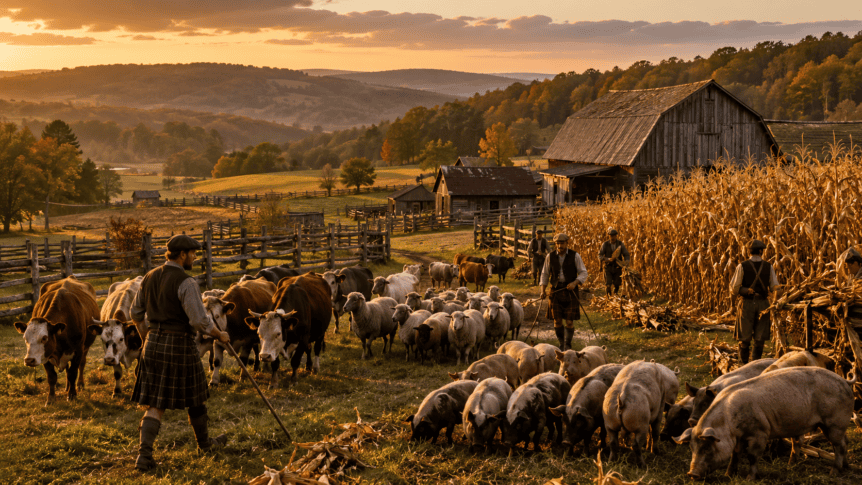
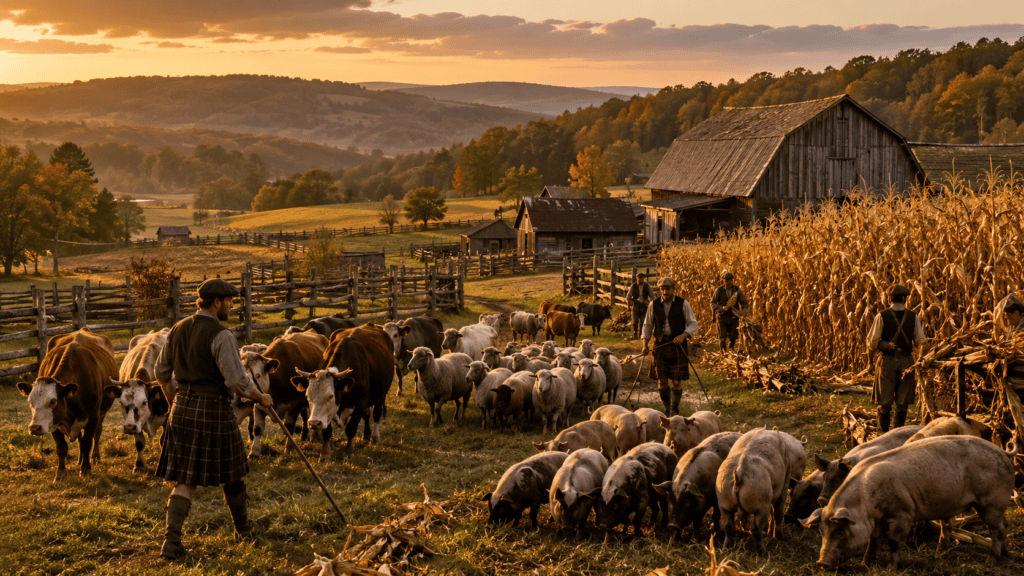
These settlers became well known for their expertise in herding livestock, particularly cattle, hogs, and sheep. Their experience managing animals across fields and pastures allowed them to move livestock efficiently and contributed to the growth of animal agriculture in the United States.
Scottish and Irish farmers were also among the first to cultivate corn for multiple purposes. They grew corn not only for human consumption but also as an important feed source for livestock, helping establish corn as one of America’s most valuable agricultural crops.
A Lasting Legacy in American Agriculture
The agricultural knowledge brought by immigrant communities helped shape farming practices that would influence generations of American producers. From German innovations in family farming and equipment to Scottish and Irish expertise in livestock and corn production, these cultural traditions became an important part of America’s agricultural heritage.
As highlighted in this edition of American Agriculture History Minute, the diversity of early settlers contributed directly to the strength and success of American agriculture.