









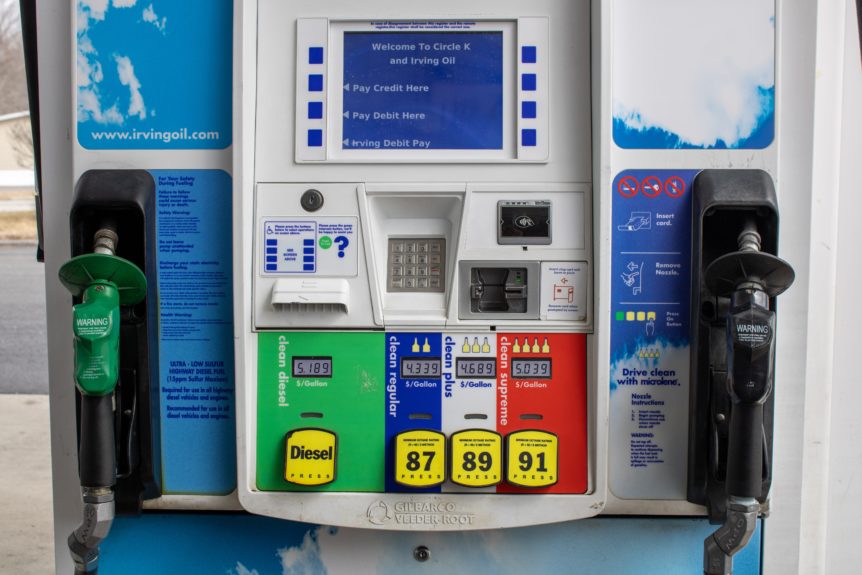
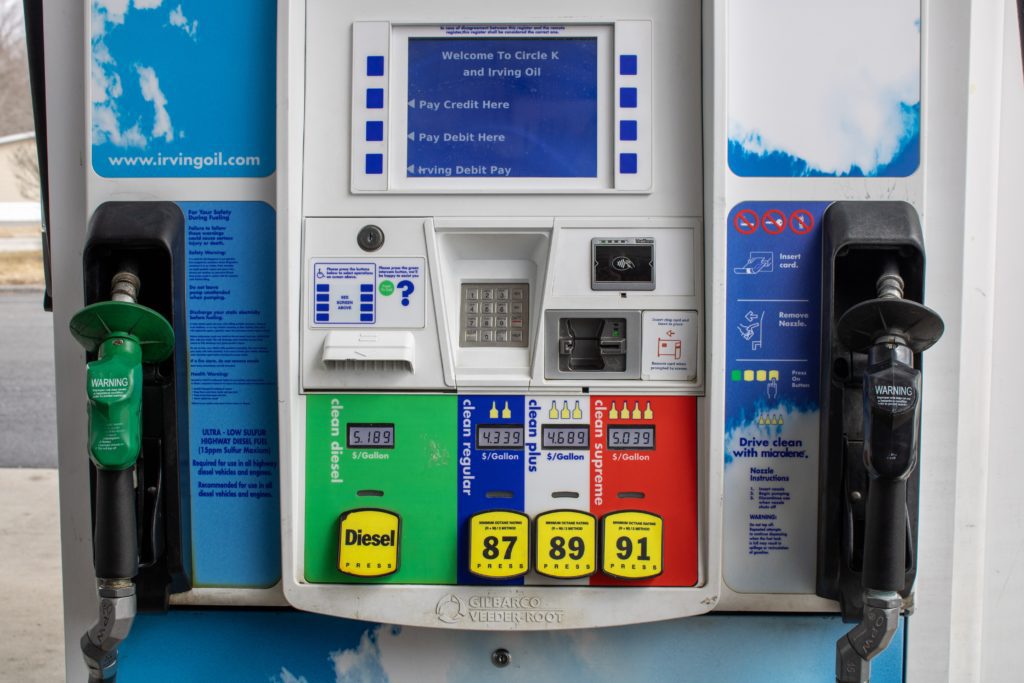
Diesel prices are putting additional pressure on farmers as harvest season gets underway, with fuel costs reaching record levels and global supply disruptions adding to the strain on agricultural operations.
Patrick De Haan, senior petroleum analyst for GasBuddy.com, says the current diesel market is being driven by factors beyond traditional supply and demand in the United States.
“It’s not getting any better,” De Haan said.
Global Refinery Disruptions Push Diesel Prices Higher
De Haan pointed to ongoing attacks on Russian refineries as a major factor behind the recent increase in global diesel prices. Ukrainian drone attacks have disrupted refining capacity in Russia, creating additional pressure on the global diesel supply.
“That has been, by the way, the reason that diesel has nearly completely disconnected from the broader market,” De Haan said.
The disruptions have affected fuel availability beyond Russia, with reduced refining capacity contributing to tighter diesel supplies around the world. De Haan said the impact is being felt by consumers at the pump, including farmers who depend heavily on diesel to power tractors, combines, trucks and other equipment during harvest.
“It’s been so impactful. It’s pushed up global diesel prices,” De Haan said.
The effects are also being felt within Russia, where De Haan said fuel shortages have contributed to gas lines and rationing.
Farmers Face Higher Fuel Costs During Harvest
For agricultural producers, higher diesel prices can add significantly to operating expenses at a time when fuel consumption typically increases. Harvest requires long hours in the field, transportation of crops and frequent movement of equipment, making diesel an important input for many farming operations.
The timing of the price increases is particularly significant as producers begin one of the busiest periods of the agricultural year. Higher fuel costs can add another layer of uncertainty for farmers already managing expenses for labor, fertilizer, equipment and other inputs.
De Haan said the refinery disruptions have effectively reduced the amount of diesel available on the global market, helping explain why prices have moved higher.
“There’s just not enough diesel supply now globally,” De Haan said. “And that’s why you and I are feeling the pain at the pump.”
As harvest continues, farmers will be watching fuel markets closely for signs of whether supply pressures ease or additional disruptions put further pressure on prices.
Listen to the full report for more discussion on diesel prices, global fuel markets and what current conditions could mean for farmers during harvest.