









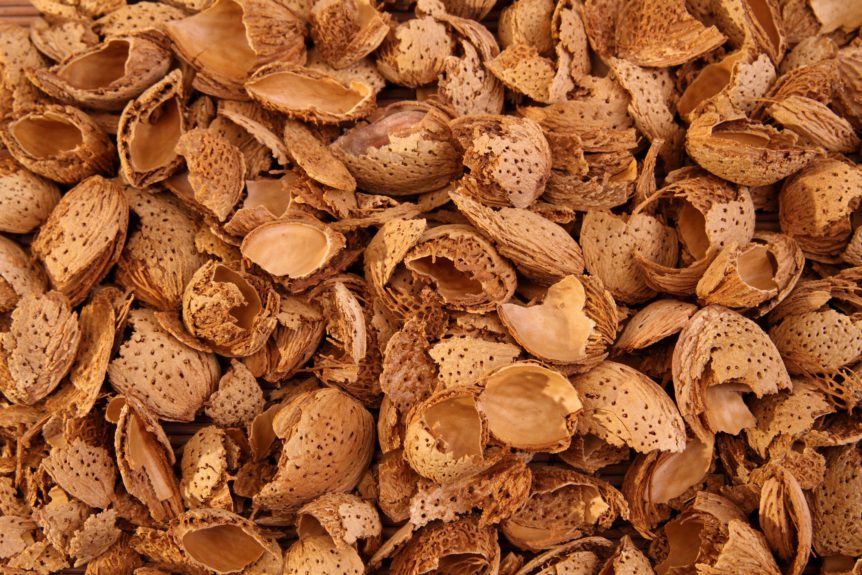
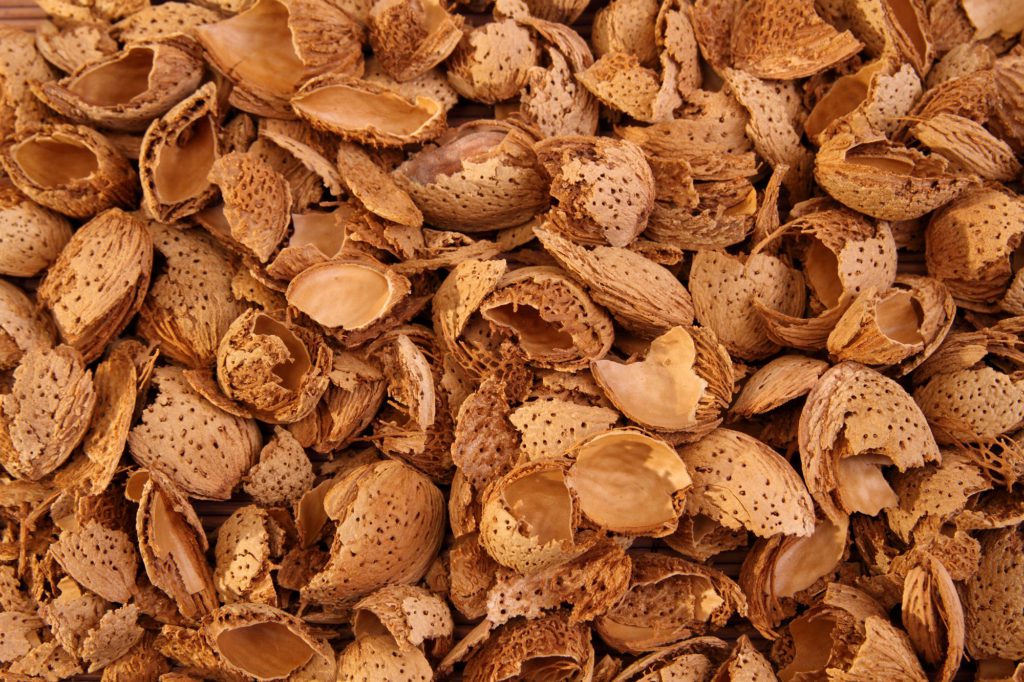
A new California facility will produce almond shell biochar through a $9 million project in Delano, creating a potential new market for agricultural byproducts while supporting soil health and carbon storage. Treehouse California Almonds is partnering with California-based CETOS Group on the project, which will convert shells left over from almond processing into a carbon-rich material for agricultural use.
The 25,000-square-foot facility is designed to support regenerative agriculture by producing biochar that can help improve soil moisture retention and nutrient availability. The project also offers an alternative use for almond processing waste, adding value to a byproduct generated by California’s almond industry.
Almond Shell Biochar Offers Potential Soil Benefits
Almond shells are a byproduct of processing almonds for market. Converting those shells into almond shell biochar could give the material a productive second use rather than leaving it as a waste stream.
Biochar is a carbon-rich material produced by heating organic matter under controlled conditions. When incorporated into soil, it can help improve certain soil properties, including water retention and nutrient availability, depending on the material and the soil where it is applied.
For agricultural producers, improved moisture retention can be valuable in managing irrigation needs and supporting crop growth. Biochar may also contribute to broader soil management strategies aimed at improving soil function over time.
The Delano facility is intended to support these goals by processing almond shells into a material that can be used in agricultural applications.
Project Connects Almond Processing With Regenerative Agriculture
The partnership between Treehouse California Almonds and CETOS Group highlights an effort to connect agricultural processing with new uses for crop byproducts. Rather than treating almond shells solely as leftover material, the project aims to turn them into an input that could benefit other agricultural operations.
The facility’s planned 25,000-square-foot footprint represents a dedicated investment in producing biochar from almond shells. Its development also reflects interest in finding practical uses for agricultural residues while exploring ways to improve soil health and store carbon.
The project’s potential benefits will depend on how the resulting biochar performs in agricultural settings and how effectively it can be incorporated into existing soil management practices.
For California agriculture, the facility offers an example of how processing byproducts can become part of a broader effort to improve resource efficiency and develop new value-added products.
Listen to the accompanying report for more on the Delano biochar facility and how almond shells could support soil health and regenerative agriculture.