









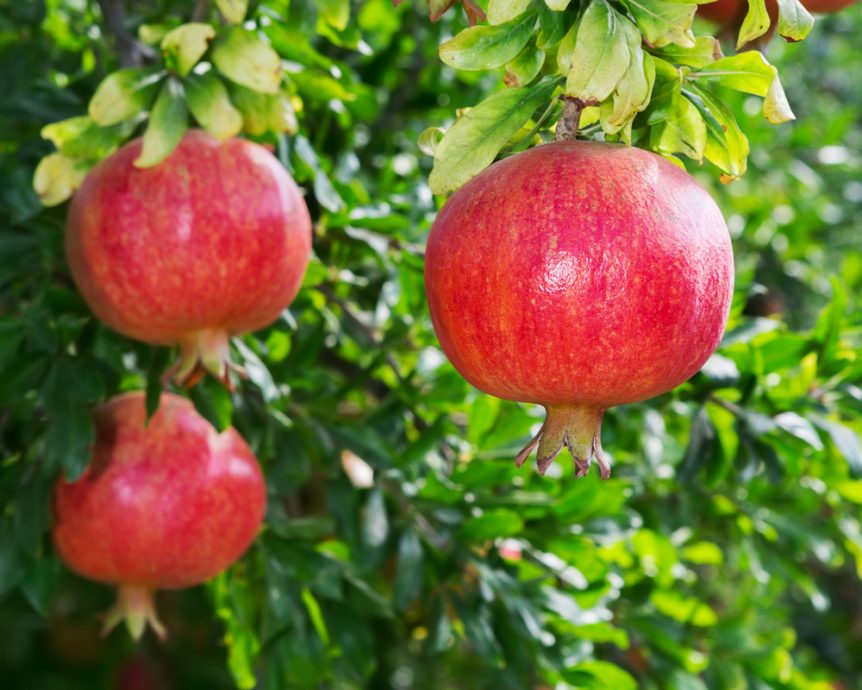
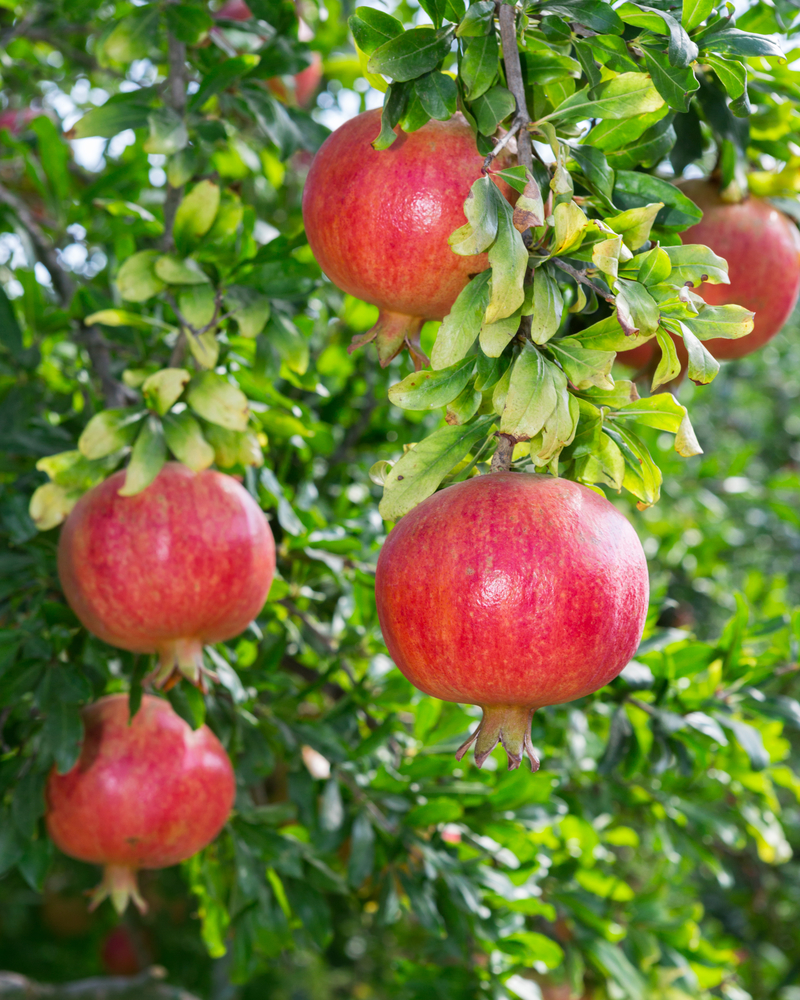
Pomegranate production in California could offer farmers a promising crop option as water shortages and declining soil quality create growing challenges across the Central Valley.
Although California’s commercial pomegranate industry is relatively young, the trees have several characteristics that may make them well suited to difficult growing conditions. Their ability to tolerate drought, elevated soil salinity and a variety of soil types could give growers more flexibility as they manage limited resources.
Pomegranate Production in California Adapts to Challenging Soil Conditions
Pomegranate trees can grow in rocky, sandy and gravelly soils where other fruit and nut crops may struggle. Researchers also note that the trees can produce with relatively few soil nutrients, potentially reducing the need for certain inputs.
One notable advantage is their limited nitrogen fertilizer requirement. Researchers say pomegranate production may require little or no nitrogen fertilizer, which could help growers manage input costs while working with less productive soils.
These characteristics are especially relevant in California’s Central Valley, where water availability and soil conditions continue to influence crop production decisions.
Lower Production Costs Could Benefit Growers
Pomegranates may also offer potential cost advantages compared with some other fruit crops. Production generally requires less hand pruning and fruit thinning, reducing the amount of labor needed for those tasks.
Growers may also have lower equipment expenses because pomegranate production does not typically require the same specialized harvesting equipment used for some other crops.
Together, these factors could make pomegranates an appealing option for farmers looking to diversify their operations or consider crops that can perform under challenging growing conditions.
While California’s commercial pomegranate industry is still developing, the crop’s drought tolerance, adaptability to different soil types and potentially lower production costs offer several advantages worth considering.
As water limitations and soil quality remain important concerns for Central Valley agriculture, pomegranates could become an increasingly relevant part of conversations about crop selection and long-term farm sustainability.
Listen to the accompanying report on why pomegranates may offer California growers an opportunity in challenging production environments.