


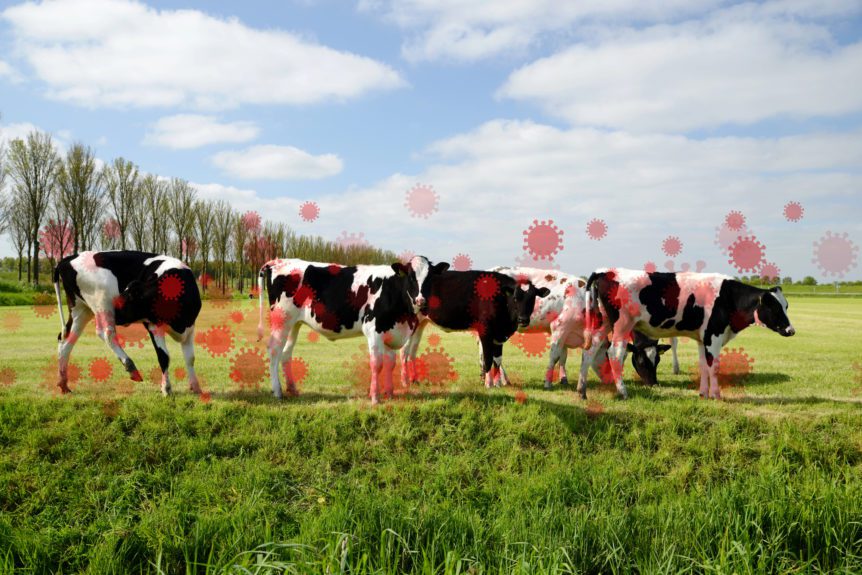
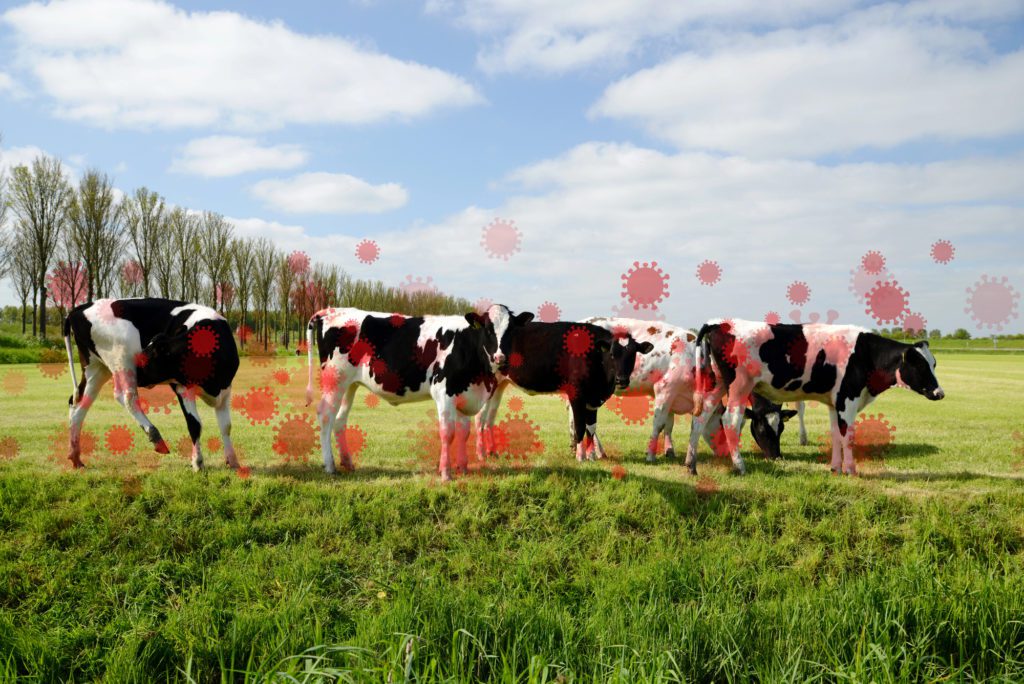
State agriculture leaders are calling on the U.S. Department of Agriculture (USDA) to authorize voluntary vaccination of dairy cattle against highly pathogenic avian influenza (H5N1) as the virus continues to affect dairy operations across the country.
Two national associations representing state agricultural officials are urging federal leaders to consider a vaccination strategy that would give dairy farmers another tool to protect their herds and limit the economic impact of outbreaks.
H5N1 has been detected in dairy herds across 21 states, raising concerns about animal health, milk production and the potential for further transmission. As the disease continues to challenge the industry, supporters say vaccination could become an important addition to existing prevention and control efforts.
Vaccination Could Add Another Layer of Protection
The proposed approach would allow dairy producers to voluntarily vaccinate cattle against H5N1. Supporters say the strategy could complement current disease-control practices, including testing, surveillance and biosecurity measures.
Those tools remain important for identifying infections, monitoring the spread of the virus and reducing the risk of transmission between animals and operations. Voluntary vaccination could provide producers with another option as they work to protect herd health and maintain farm operations.
For dairy farmers, outbreaks can create added management challenges and economic uncertainty. Concerns about animal health and potential disruptions to milk production make disease prevention a priority for affected operations.
Trade and Disease Monitoring Remain Key Considerations
While state agriculture leaders are pushing for USDA authorization, federal officials would need to consider how vaccination could affect disease monitoring and international trade.
Vaccination can create additional considerations for tracking and interpreting disease activity. Officials would need to evaluate how a vaccination program could fit into existing surveillance systems and disease-control strategies.
International trade is another important factor. Some countries restrict imports from animals vaccinated against certain diseases, creating potential complications for U.S. agricultural exports. Any vaccination strategy would need to account for those trade relationships while addressing the need to protect domestic dairy herds.
The discussion highlights the challenge of balancing animal health protection with the requirements of disease monitoring and international markets.
As H5N1 continues to affect dairy herds across multiple states, state agriculture leaders are asking federal officials to consider expanding the tools available to producers. USDA’s decision on voluntary vaccination could have important implications for how the dairy industry manages the ongoing threat.
Listen to the accompanying report on the call for voluntary H5N1 vaccination and what it could mean for dairy producers.