









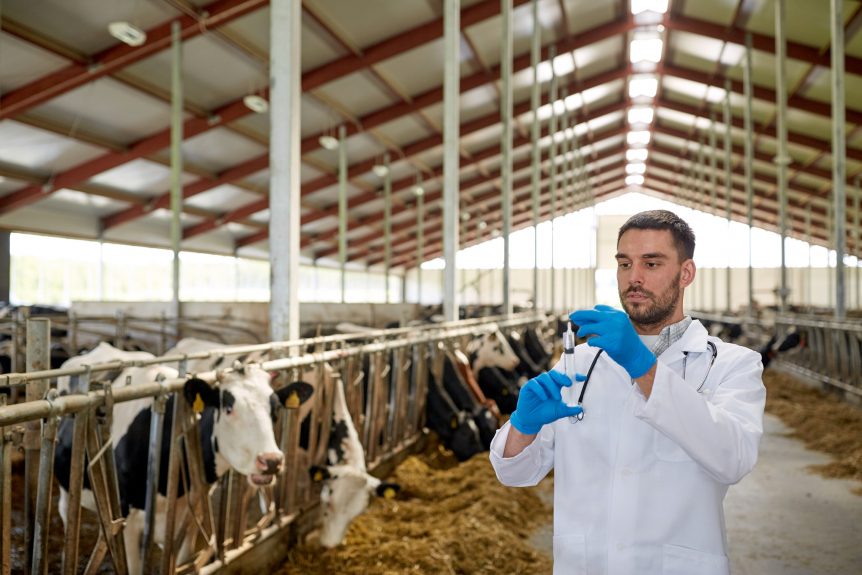

More than 500 counties across 46 states experienced a shortage of large animal veterinarians in 2025, according to USDA estimates. The shortage is among the largest ever recorded, raising concerns about access to veterinary care for livestock producers and rural communities.
Dr. Todd Gunderson, clinical assistant professor at Kansas State University, says several factors contribute to the ongoing shortage, including salary differences, demanding working conditions and the challenges of providing emergency services in rural areas.
Emergency Service Demands Contribute to Veterinary Shortage
Large animal veterinarians often face unique challenges compared to those working in urban settings. Rural veterinarians may earn lower salaries than their urban counterparts, even though the cost of veterinary education is similar. The physical demands of treating livestock can also make the profession more challenging.
However, Gunderson identified emergency service responsibilities as one of the most important areas to address when improving rural veterinary retention.
“If I had to pick one factor that represents the best potential leverage point for addressing rural veterinary retention, it would be managing the burden of providing emergency services,” Gunderson said.
Providing emergency care can place significant demands on veterinarians, particularly in rural areas where there may be fewer professionals available to share the workload. Managing those responsibilities could help make rural veterinary careers more sustainable and encourage veterinarians to remain in the profession.
Recruitment Starts With Early Experience and Mentorship
Along with improving retention, the veterinary industry has opportunities to encourage more students to consider careers in large animal medicine.
Gunderson pointed to job shadowing, mentoring programs and internships as useful ways to introduce young people to rural veterinary work. These experiences can help students understand the profession and may encourage individuals who had not previously considered rural veterinary medicine to explore the career path.
“Those are all really helpful ways to help young people decide if this is something they’re interested in,” Gunderson said.
However, recruitment is only part of the solution. Gunderson emphasized the importance of supporting students as they enter the profession and helping them build successful careers.
That includes providing tools to manage work-life balance, address personal responsibilities and operate a profitable veterinary business.
As livestock producers continue to depend on access to reliable veterinary services, improving recruitment and retention will remain important to the future of rural animal health care.
Listen to the report on the large animal veterinary shortage and potential solutions to strengthen rural veterinary services.