









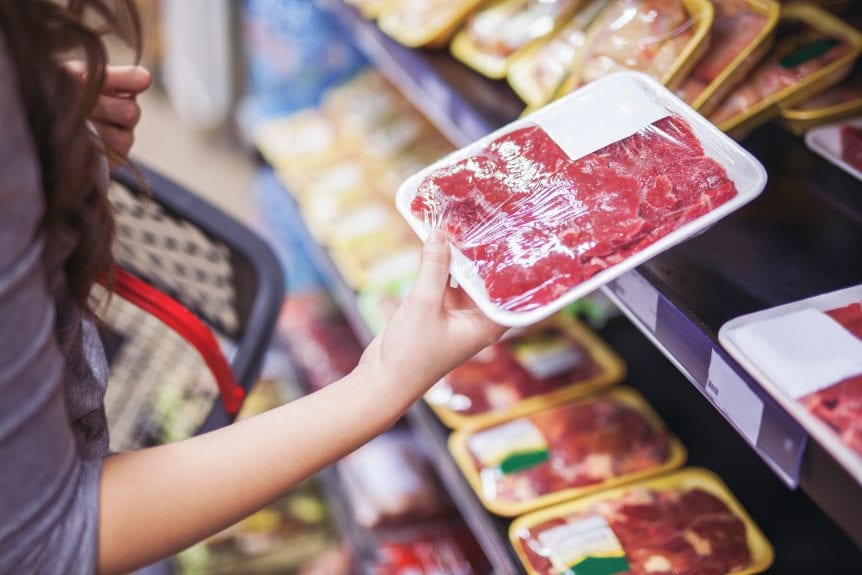
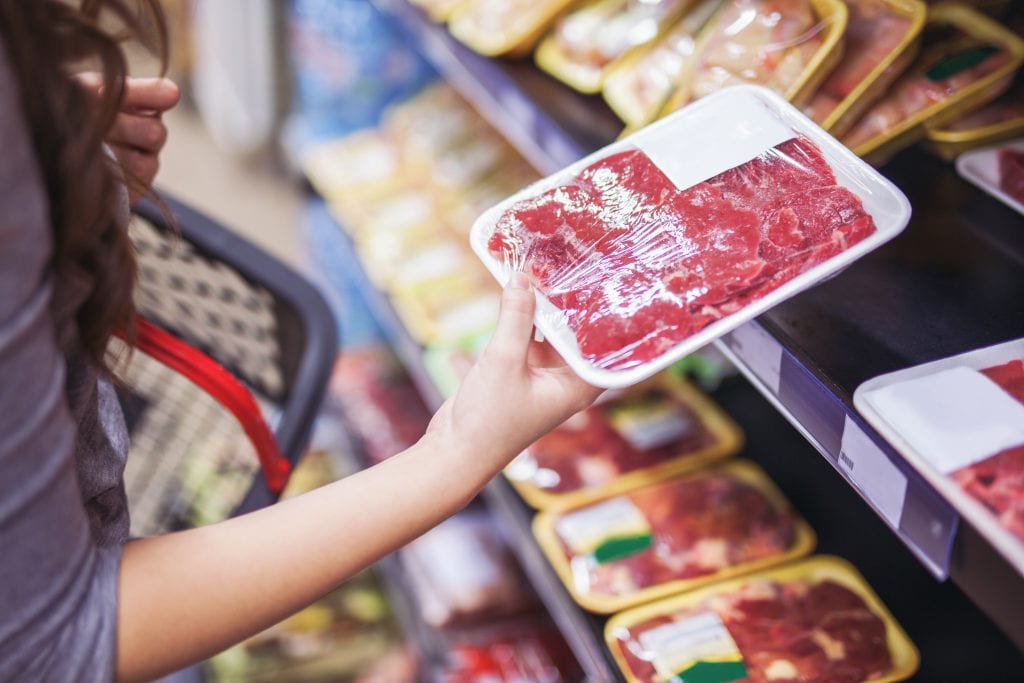
Beef prices at grocery stores are continuing to climb even as cattle producers receive less for their animals, according to an analysis by the American Farm Bureau Federation (AFBF). The analysis found consumers paid 7% more for beef while prices received by producers declined 10%, highlighting the gap between retail prices and what farmers and ranchers earn.
The difference reflects the many costs involved in getting beef from the farm to the grocery store. Processing, transportation, labor and packaging expenses all contribute to retail prices, and changes in those costs can affect what consumers pay.
Retail Beef Prices Move Differently From Cattle Prices
AFBF says grocery store prices often respond more slowly to changes in farm-level prices. Even when cattle producers receive lower prices, consumers may not see an immediate decrease at the meat counter.
The costs added throughout the supply chain help explain why retail beef prices do not always move in the same direction as prices received by cattle producers.
Processing facilities, transportation companies, retailers and other businesses all play a role in bringing beef to consumers. Expenses at each stage can influence the final price, creating a difference between the amount paid for livestock and the price of beef products at the grocery store.
For cattle producers, the decline in prices received can create additional financial pressure, particularly when operating expenses remain elevated.
Farmers Receive a Small Share of Food Spending
USDA figures provide additional perspective on how consumer food dollars are distributed. In 2024, farmers received just 5.8 cents of every dollar spent on domestically produced food.
The remaining share went toward costs associated with processing, transportation, retail and other parts of the food supply chain.That breakdown illustrates how much of the final food dollar is tied to activities that take place after agricultural products leave the farm.
The gap between grocery store beef prices and cattle producer prices highlights the complexity of the food supply chain and the different expenses that influence prices at each stage.
As consumers continue to face higher beef prices, cattle producers are also watching the prices they receive and the costs of keeping their operations running.
Listen to the accompanying report for more on the American Farm Bureau Federation’s analysis of beef prices and the difference between retail costs and prices received by cattle producers.