









“The Ag Meter” interview explores pest pressures, weather extremes, rising costs, water concerns and strategies for producing quality fruit.
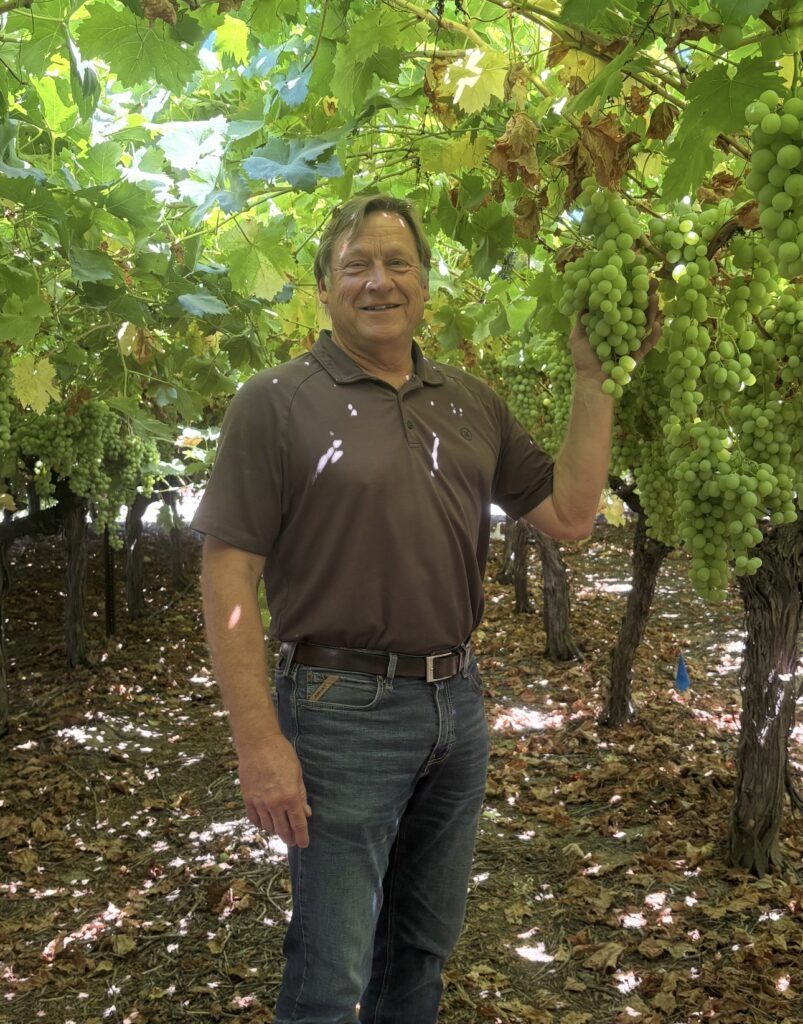
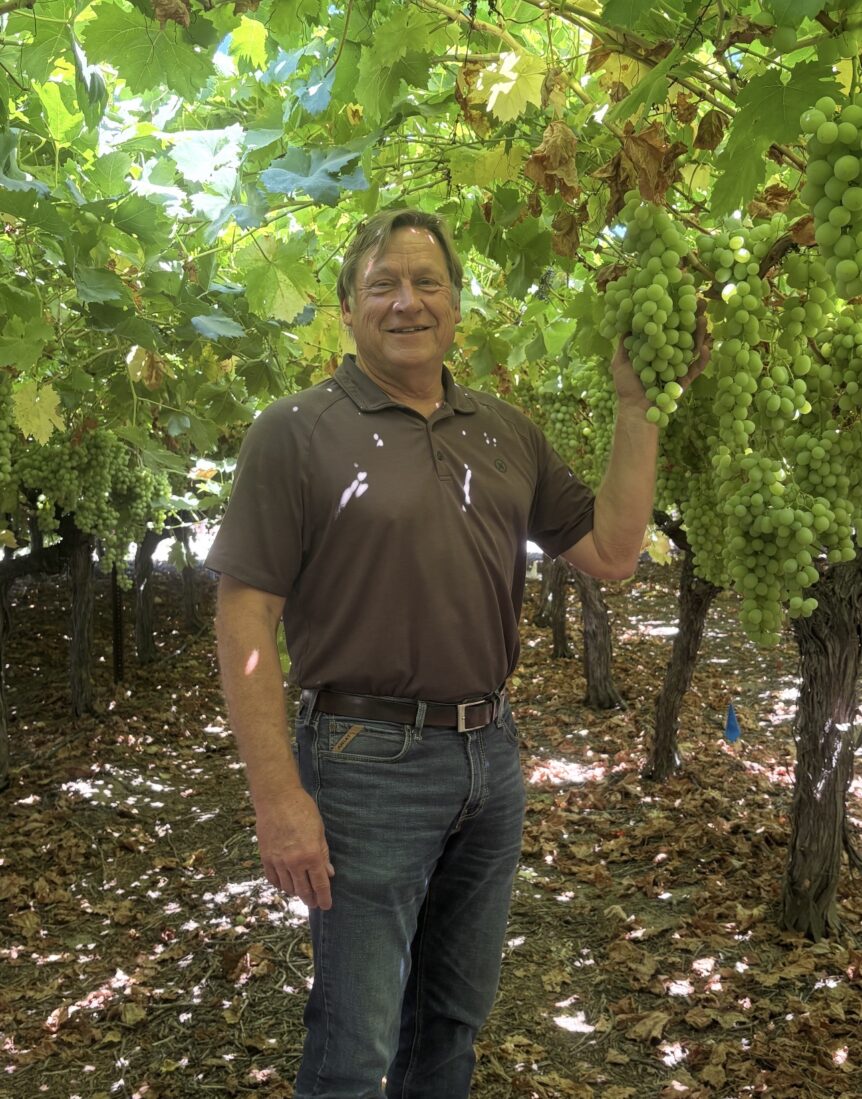
California growers face an increasingly complex combination of weather uncertainty, pest management challenges, rising input costs and market pressures. For Karl Warkentin, a pest control advisor (PCA) with Simplot in the Central Valley, helping farmers navigate those challenges requires experience, adaptability and a focus on producing the highest-quality crops possible.
In an interview with The Ag Meter host Nick Papagni, Warkentin shared insights from decades in agricultural advising, discussing the unusually early 2026 growing season, citrus and tree fruit production, water availability, fertilizer prices and his outlook for California agriculture.
The conversation also highlighted Warkentin’s philosophy of crop management: keeping trees healthy, maximizing production and helping growers remain optimistic despite the challenges facing the industry.
Early Growing Season Creates Challenges for Growers
Based in the Reedley area, Warkentin serves growers across Traver, Dinuba, Reedley, Kingsburg, Selma and Laton. His responsibilities span tree fruit, citrus, almonds, pistachios, wine grapes, table grapes, raisin grapes, blueberries and Asian pears.
The unusually warm March weather made the 2026 season particularly challenging. Warkentin said he had never experienced a season that started so early in his years in agriculture.
Once trees began blooming, the growing season accelerated rapidly, leaving growers, crop advisors and applicators with less time to coordinate essential field operations.
Sourcing crop protection products, arranging deliveries and completing applications at the appropriate time became more difficult. Tree fruit growers also had to thin their crops earlier and complete labor-intensive work within tighter windows.
The experience demonstrated how quickly unusual weather can disrupt production schedules across multiple commodities.
Citrus Pest Management Becomes More Complicated
Citrus growers face additional challenges as pest pressures change and older crop protection options become unavailable for certain uses.
Warkentin explained that pests once considered secondary problems are becoming more significant. He identified citrus mealybug as an example of a pest that now requires greater attention and can be difficult to control.
In the past, growers relied on products such as chlorpyrifos, sold under the Lorsban name, to help manage a range of pests. With traditional options more limited, growers and advisors must adapt their strategies using available tools.
Warkentin also discussed the difficulty of managing tree fruit quality. Even when growers successfully manage their orchards throughout the season, staining or inking problems can appear during harvest and packing.
These marks can force packers to cull fruit, reducing the amount growers can sell after investing an entire season in production. Although Warkentin said overall fruit quality in 2026 was good, staining remained one of the season’s challenges.
Tree Nutrition Is Essential to Long-Term Production
Warkentin compares orchard management to preparing an athlete for competition.
Just as athletes need proper nutrition and training to perform at their best, trees require appropriate nutrients and attention to maintain their health and productivity.
His goal is to help growers identify and correct deficiencies, keep trees healthy and prepare their orchards for future growing seasons.
For tree fruit, grapes and citrus, Warkentin focuses on maximizing production per acre while delivering clean fruit, good sizing and strong pack-out rates. Producing more boxes is important, but the fruit must also meet market standards and be suitable for sale.
This approach becomes especially important as California growers face higher production expenses and increasing pressure to make every acre as productive as possible.
Water Supplies and Winter Rainfall Remain Important Concerns
Water availability varies throughout the Central Valley. Warkentin described conditions in his area of the Alta Irrigation District as relatively stable, while noting that challenges increase in some areas farther west and south, including the Goshen and Laton areas.
He also identified the Sustainable Groundwater Management Act (SGMA) as a significant concern for farmers who depend on groundwater.
Discussing the possibility of a strong El Niño and above-average winter rainfall, Warkentin said he would welcome additional precipitation and hoped California could fill its reservoirs as much as possible. He acknowledged, however, that the state has limited storage capacity and some water could flow out of the system.
More rainfall can also bring agricultural risks. Warkentin cautioned that wetter conditions generally increase the potential for fungal diseases during bloom and throughout the growing season. Growers should prepare to monitor disease pressure and adjust management strategies as conditions develop.
Rising Costs and Limited New Chemistry Pressure California Agriculture
Looking toward 2027, Warkentin expressed concern about input costs, product availability and the challenges of introducing new crop protection chemistry in California.
He said international conflict has made some agricultural products more difficult to obtain and has contributed to higher costs. As an example, he reported that sulfur prices had doubled over the preceding year. Sulfur is used extensively in agriculture, including fertilizer applications, vineyards, dusting and soil amendments.
Warkentin also emphasized that registering new crop protection products in California can be difficult and expensive. As a result, advisors often must work with existing products and develop effective management strategies using the tools available to them.
For growers, the combination of rising costs, changing pest pressures and limited new chemistry makes careful planning and efficient production increasingly important.
Market Demand Adds Another Layer of Uncertainty
Although Warkentin described the overall quality of the 2026 tree fruit crop as good, he said growers sometimes struggled to move product into the market.
He pointed to economic pressures, rising gasoline prices and higher household expenses as factors that can influence consumer purchasing decisions. Peaches, nectarines and grapes may be more discretionary purchases for families facing tighter budgets.
For growers, strong production does not automatically translate into strong sales. Producing high-quality fruit, controlling costs and achieving a good pack-out rate can help improve market opportunities, but demand remains an important factor in farm profitability.
From Agricultural Advising to Friday Night Football

Beyond his agricultural career, Warkentin is an experienced high school football official. He grew up on a farm, attended college in San Luis Obispo and initially considered teaching before deciding that classroom work was not for him.
A friend offered him a summer opportunity in agricultural business in 1990, launching the career he has continued ever since.
Warkentin enjoys football officiating for the teamwork, preparation and unpredictability of each game. He recently officiated at his former school, McLane High School in Fresno, where he enjoyed reconnecting with old friends.
The combination of agriculture and officiating reflects his appreciation for practical decision-making, teamwork and working directly with people.
Warkentin Remains Bullish on California Farming
Despite regulatory pressures, rising input costs, weather uncertainty and market challenges, Warkentin remains optimistic about agriculture’s future.
“People always gotta have food,” he told Papagni, encouraging growers to maintain a positive attitude and concentrate on doing their best rather than becoming consumed by negative headlines.
His message is grounded in the essential role farmers play in producing food and the importance of adapting to changing conditions.
Listen to the full interview: Hear Karl Warkentin and host Nick Papagni, The Ag Meter, discuss California crop production, pest management, water concerns, agricultural costs and the outlook for Central Valley growers. The complete podcast offers additional insight into the day-to-day challenges facing PCAs and the farmers they serve.
For growers interested in contacting Warkentin, he shared his phone number during the interview: 559-269-3634.