









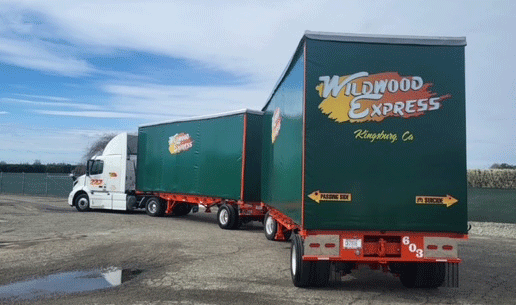
California’s trucking industry is facing mounting pressure from rising diesel prices, insurance expenses, regulatory uncertainty and questions about the future of heavy-duty transportation. These challenges are particularly significant for agriculture, where reliable trucking services are essential to moving crops, farm supplies and food products from producers to consumers.
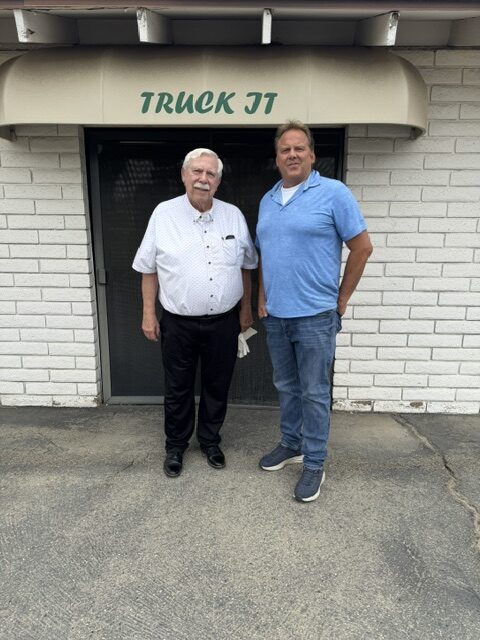
“The Ag Meter” Nick Papagni speaks with Mark Woods, owner of Wildwood Trucking in Kingsburg, California, and energy expert Ellington Smith about the challenges facing trucking companies, the impact of California’s energy policies, electric-truck technology and the economic outlook for agriculture heading into 2027.
California Trucking Companies Struggle With Diesel Costs
Papagni opens the discussion by asking Woods about President Donald Trump’s announcement concerning a tax exemption for dyed diesel fuel and whether it could provide relief for California farmers and truckers.
Dyed diesel, commonly identified by its red coloring, is generally intended for eligible off-road uses, including agricultural equipment. Its tax treatment differs from diesel used in on-road vehicles, subject to applicable requirements.
Woods says the proposal could help some agricultural operations but questions whether California has the infrastructure needed to make it practical.
“For a trucker to just pull over and find red diesel, it’s not going to happen,” Woods explains.
He argues that truck stops may not find it financially practical to install separate storage tanks if demand is limited. He also raises concerns about regulatory uncertainty and potential penalties for businesses operating under different federal and state requirements.
Although Papagni notes that agricultural organizations in states such as Arizona and Texas have supported the proposal, Woods says California’s circumstances make implementation more difficult.
For trucking companies already operating on narrow margins, potential savings may not justify additional infrastructure costs and compliance risks.
California Refinery Closures Raise Fuel Supply Concerns
The conversation turns to California’s fuel supply and the effect of refinery closures on transportation costs.
Woods says trucking companies cannot continually pass higher fuel expenses to customers because businesses and consumers are already struggling with rising prices. He also questions why significant quantities of diesel are exported while domestic transportation operators face high costs.
Energy expert Ellington Smith argues that refinery capacity is critical to fuel availability. Crude oil must be processed into usable products, including gasoline and diesel, and disruptions to refining can affect supplies even when crude oil is available.
Smith discusses international refinery disruptions and California’s declining refining capacity. During the interview, he estimates that refinery closures have reduced California’s fuel availability by approximately 20%, arguing that reduced supply contributes to higher prices. This figure reflects Smith’s assessment during the discussion.
For trucking companies, higher fuel costs complicate budgeting, route planning and customer negotiations. For agriculture, they increase the expense of transporting commodities from farms to packing houses, distribution centers and markets.
Wildwood Trucking Raises Rates as Expenses Increase
Woods explains that Wildwood Trucking delayed raising prices for as long as possible before implementing an approximately 15% rate increase on October 1 compared with the beginning of the year.
He acknowledges that the increase was not enough to cover all the company’s rising expenses. The company discussed the adjustment with customers to determine what they could reasonably afford.
The financial pressure extends beyond fuel. Woods describes rising insurance costs, including the need for higher coverage limits and umbrella policies to protect against potentially expensive claims.
He also questions uncertainty surrounding proposed tire regulations, noting that trucking companies already use low-rolling-resistance tires designed to improve fuel efficiency.
Woods says businesses must control expenses to survive, but the combination of fuel, insurance, labor and regulatory costs is making that increasingly difficult.
These increases can eventually reach consumers through higher prices for food, restaurant meals and other goods that depend on commercial transportation.
Electric Trucks Face Cost and Infrastructure Challenges
Papagni and Woods discuss whether California is prepared for a widespread transition to electric trucks.
Woods questions whether electric vehicles can consistently handle the demands of long-distance freight, including hauling the 53-foot trailers commonly used in commercial transportation. He argues that trucking companies need evidence that electric trucks can perform the same demanding jobs as diesel vehicles before making large investments.
Charging infrastructure presents another challenge. Companies must consider installation costs, electrical capacity, charging times and the reliability of the power supply.
Woods also raises concerns about performance in cold weather and on demanding routes, including California’s Grapevine and Interstate 80 toward Nevada.
He acknowledges that electric-truck technology is improving, including systems designed to enhance vehicle stability and safety. However, he questions whether the technology can meet every carrier’s operational requirements.
Alternative fuels also have a place in the discussion. Woods highlights California dairy farms that capture methane from manure and process it into renewable natural gas for use in some trucking operations. He sees this as an example of agricultural innovation that can benefit both farmers and transportation businesses.
Truck Safety Technology Could Improve Efficiency
Woods identifies artificial intelligence and truck-mounted cameras as technologies that could help improve commercial transportation safety.
Driver-monitoring systems can identify behaviors such as distraction, drowsiness, speeding and unsafe turns. Some trucks also use automatic emergency braking to reduce the risk of collisions.
Woods believes safety should be a primary reason for investing in newer trucks and technology. He says trucking companies want to improve environmental performance but also need practical solutions that preserve reliable freight transportation.
He adds that he and Smith are working on a project intended to improve trucking safety, productivity and efficiency, with plans to share more information in the coming months or within a year.
California Water and Regulatory Policies Affect Agriculture
The interview also examines the connection between transportation costs and California’s agricultural economy.
Woods calls for investment in dams and reservoirs to improve water storage and support farmers. He argues that reliable water supplies are essential to agricultural production and the businesses that depend on it.
Papagni raises concerns about labor costs and automation, referencing California’s farmworker minimum wage. Woods acknowledges that employees need to support their families but questions how businesses can absorb rising wages alongside other operating expenses.
When agricultural production declines or growers reduce acreage, trucking companies and packing houses can also lose business.
Woods argues that policymakers should consider the cumulative effects of regulations, water constraints, labor expenses and fuel costs on the entire agricultural supply chain.
California Election Could Shape the Business Outlook
Papagni asks Smith how the upcoming gubernatorial election could affect California’s transportation and energy industries, discussing the potential outcomes involving Steve Hilton and Xavier Becerra.
Smith argues that a governor can influence regulatory enforcement and funding, potentially easing some burdens on businesses if policies change. He also expresses concern that continuing the existing regulatory approach could contribute to further business departures and higher costs.
These are Smith’s assessments during the interview rather than established predictions about the election’s outcome.
The discussion also touches on high-speed rail funding, California’s gasoline-related fees and concerns about whether transportation spending is delivering sufficient improvements to roads. Smith argues that consumers would benefit from greater transparency about the taxes, fees and other expenses contributing to the cost of goods.
Trucking Remains Essential to California Agriculture
As the interview concludes, Woods reflects on California’s history of family-owned trucking companies and warns that more businesses are struggling or closing as operating costs rise and older owners retire.
He emphasizes that trucking companies play an essential role in delivering agricultural products and keeping the economy moving.
For California agriculture, dependable transportation is critical to moving crops from farms to packing houses, distributors, retailers and consumers. Higher fuel prices, insurance expenses and regulatory uncertainty affect the entire chain.
Listen to the full interview with “The Ag Meter” Nick Papagni, Wildwood Trucking owner Mark Woods and energy expert Ellington Smith for their extended discussion of diesel prices, alternative fuels, trucking technology, water infrastructure and the challenges facing California agriculture as the industry heads toward 2027.