









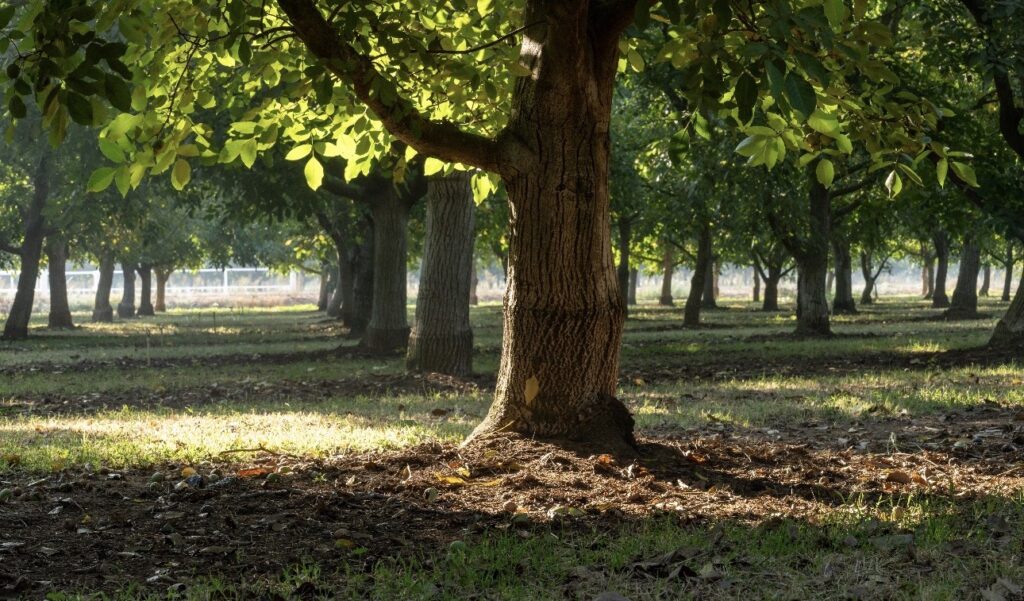
Mike Jameson Discusses Walnut Markets, AI, Water and California Agriculture
California’s walnut industry is entering a new season with promising quality but significant challenges in global markets, retail competition and production costs.
On the latest AgNet News Hour, “The Ag Meter” host Nick Papagni sat down with longtime friend and Morada Nut Company Director of Sales Michael Jameson for a wide-ranging discussion covering walnuts, cherries, international trade, artificial intelligence, food safety, retail marketing and the future of California agriculture.

Jameson, who has more than 40 years of experience in the produce industry, said recent meetings in Italy and Spain were encouraging, with solid interest in California walnuts.
USDA Walnut Purchase Helps Clean Up Inventory
One positive development for California walnut growers is a USDA purchase of 28 million pounds of walnuts.
Jameson explained that packers submit bids to USDA, which evaluates pricing and available volume before allocating portions of the purchase among suppliers. Importantly, the program focuses on lower-grade walnuts, historically one of the more difficult segments to market.
Removing that product from the commercial market helps reduce pressure on the industry while allowing packers to concentrate on selling higher-quality walnuts.
Last year’s California walnut crop totaled approximately 809,000 tons, while Jameson estimated the new crop could be around 680,000 tons, with an expected range of roughly 660,000 to 700,000 tons.
Although the smaller crop could limit some jumbo and in-shell shipments, walnuts that do not meet those specifications can be cracked and sold as kernels.
Earlier Harvest Could Protect Walnut Quality
One of the biggest advantages this year is timing.
Jameson said the walnut harvest is running at least 10 days earlier than last season. That could be critical after last year’s harvest was damaged by approximately two inches of rain in some growing districts while walnuts were on the ground.
This year’s early harvest, combined with a favorable forecast, could allow growers to get the crop harvested before additional rainfall creates quality problems. Jameson expected harvest in the Linden area to begin around October 20, with the goal of having the crop largely harvested by approximately October 25.
Early quality indicators are encouraging, particularly the light kernel color desired by many international buyers.
Global Markets Present New Obstacles
Marketing the crop, however, could prove more difficult.
Geopolitical instability, freight costs, exchange rates and tariffs are creating challenges in several international markets. Jameson said the Middle East could be particularly difficult, while India and Dubai may see reduced demand.
Turkey, traditionally one of California’s largest in-shell walnut markets, also presents a concern. Last year, Turkey absorbed significant volumes of California in-shell walnuts, helping stabilize that market early in the season.
This year, however, Turkish buyers are carrying substantial inventories from China, California and Chile and may delay purchases while they work through existing supplies. That could pressure both the in-shell and kernel markets.
Higher freight costs and currency movements are adding additional pressure, while tariffs continue to restrict opportunities in important markets such as India and Turkey.
California’s Biggest Advantage Is Quality
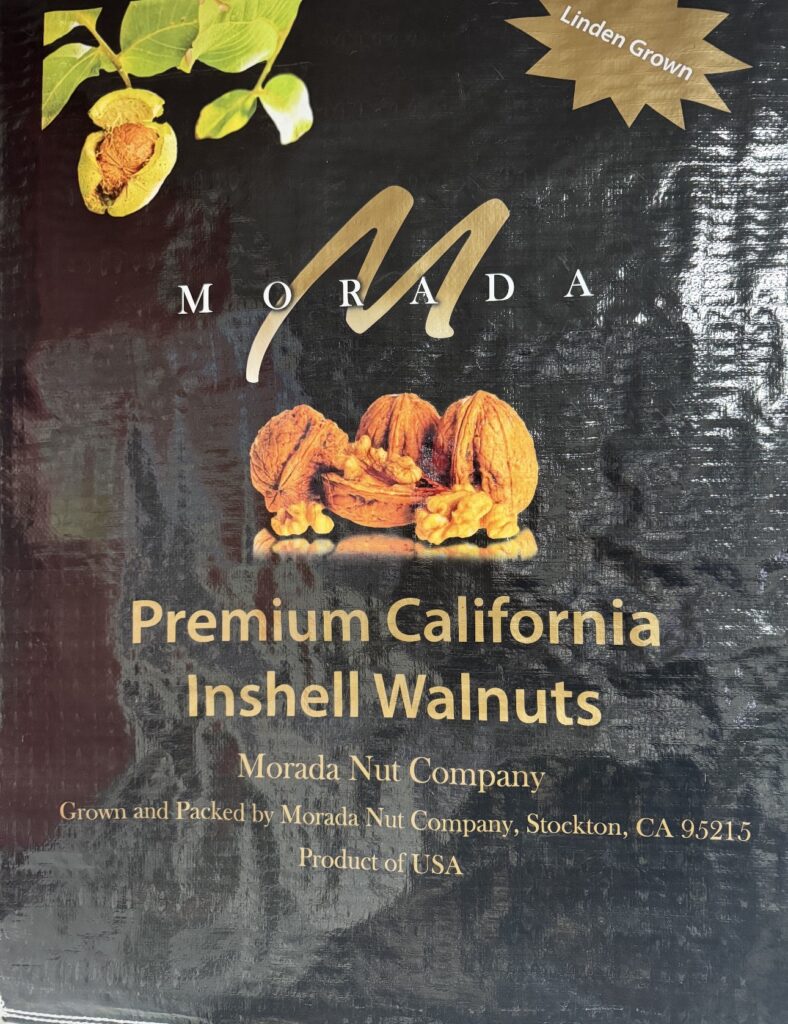
Despite the challenges, Jameson said California has a major advantage over competitors: quality.
California walnuts are known for flavor, color and shelf life, but producers face substantially higher costs than competitors such as China.
Jameson said California represents approximately 21 percent of global walnut production, compared with about 53 percent for China. With California facing high costs for water, labor, fertilizer, fuel, land, equipment and regulatory compliance, competing strictly on price is difficult.
Instead, California must sell its quality and food-safety advantages.
Health Benefits and Retail Marketing Matter
Jameson also believes walnuts can benefit from greater consumer awareness of their nutritional value.
He pointed to walnuts’ omega-3 fatty acids, antioxidants, fiber, protein and polyunsaturated fats, along with their association with heart health, brain health, gut health and healthy aging.
Better retail placement is helping.
Jameson recalled a time when walnuts were difficult to find in grocery stores, often hidden in the bakery section. Today, improved packaging and visibility are giving walnuts a better opportunity to compete with almonds, pistachios and other nuts.
That competition is intense. Jameson said produce departments have grown from roughly 100 items when he entered the business to around 500 today, while buyers may choose from thousands of products worldwide.
AI Could Transform the Produce Business
Artificial intelligence may change retail buying even further.
Jameson expects AI to analyze weather, holidays, traffic, store placement, sales and revenue per square foot to determine precisely how much product retailers need.
AI-powered cameras could eventually monitor inventory, identify aging products and even automatically trigger price reductions.
Morada Nut Company has already incorporated AI into one of its cherry packing lines, giving the company an early look at how technology could influence production and marketing.
Jameson believes the future will require a combination of technology and traditional relationships. Younger professionals bring digital and social-media expertise, while experienced industry veterans understand the value of personal relationships built over decades.
Water and Grower Profitability Remain Critical
Jameson said California also needs to address the fundamental costs of producing food, particularly water, fuel, fertilizer and regulatory requirements.
He urged consumers to support California agriculture by purchasing California walnuts while encouraging policymakers to develop long-term water programs and policies that allow growers to remain profitable.
Jameson stressed that growers work extremely hard to produce their crops and should not face a situation where high production costs prevent them from earning a sustainable return.
He believes California can strengthen its agricultural economy, but said meaningful action—not simply promises—is required.
Listen to the Full Ag Meter Interview
The conversation between Nick Papagni, the Ag Meter, and Michael Jameson goes far beyond the walnut crop.
The two longtime friends discuss California cherries, international markets, China, Turkey, tariffs, food safety, AI, social media, retail shelf space, water policy, grower profitability and the future of California agriculture.
For growers, retailers and anyone interested in California’s specialty-crop industry, the full interview provides valuable insight from a produce veteran who has spent more than four decades watching the business evolve.
Contact Michael Jameson:
Morada Nut Company stocking office: 209-546-1816
Email: mjamison@moradaproduce.com