









California agriculture takes center stage on the latest AgNet News Hour as “The Ag Meter” Nick Papagni covers the latest issues affecting farmers, ranchers and the broader agricultural industry. The program features the second part of Papagni’s interview with California Cattlemen’s Association President Rick Roberti, followed by a conversation with Megan Lausten, assistant general manager of the World Ag Expo, about the upcoming 60th anniversary of the massive Tulare agricultural event.
Roberti discusses several challenges facing California’s cattle industry and rural communities, including wildfire risk, predators, water availability, land use, regulations and rising production costs. The conversation examines concerns surrounding the Asian longhorned tick and other threats to cattle, as well as the continuing debate over wolves and proposed grizzly bear reintroduction. Roberti also discusses how wildfire and forest management can affect wildlife behavior and rural communities.
Water remains one of the biggest issues throughout the interview. Roberti argues that California needs additional water storage to capture supplies during wet years and make them available during droughts. He says farmers cannot continue producing food without reliable water, while Papagni emphasizes the amount of water that he says is being allowed to flow to the ocean rather than being stored for future use. The discussion also touches on changing weather patterns, snowpack, reservoirs and the long-running political debate over California water policy.
The future of the next generation of farmers and ranchers is another major topic. Roberti explains that young people can face a difficult financial decision when they compare agricultural income with opportunities in other industries. He believes families and current agricultural leaders have a responsibility to help the next generation see the value of farming and ranching while recognizing that producers still need to make a living. The discussion also addresses declining cattle numbers and the loss of available grazing land through easements, hunting areas and other land-use changes.
Rising fuel and production costs also remain a concern. Roberti points to diesel, fertilizer, trucking and other expenses as factors that make it increasingly difficult for producers to reach a sustainable break-even point. Despite the challenges, he says the cattle industry will continue moving forward and stresses the importance of cooperation throughout agriculture. He also encourages producers of all sizes to become involved with the California Cattlemen’s Association.
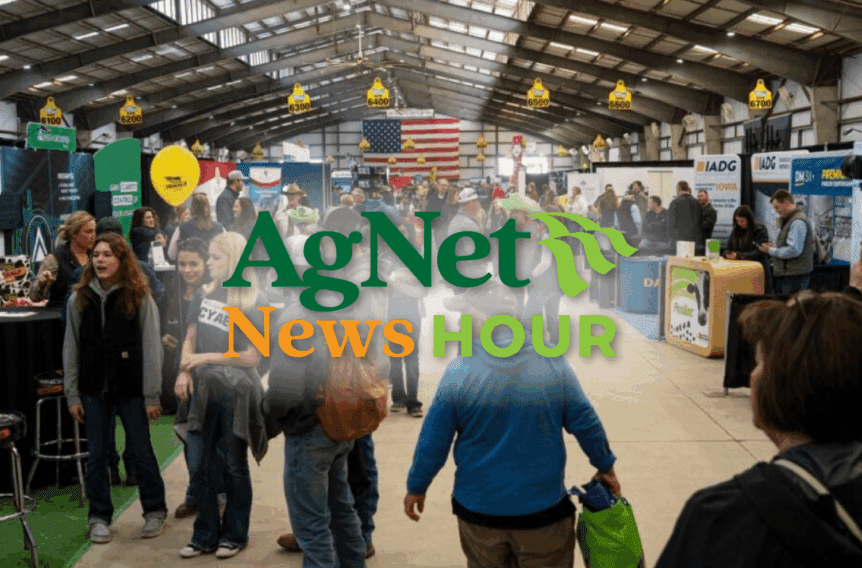
The program then shifts to Tulare and the World Ag Expo, where Lausten discusses preparations for the event’s 60th anniversary, scheduled for February 9–11, 2027. She explains that the International Agri-Center operates year-round and includes the AgVentures Learning Center and Antique Museum, which provides hands-on agricultural education for students and families.
Lausten says approximately 25 full-time employees and about 1,000 volunteers help make World Ag Expo possible. The show features exhibitors and visitors from around the world, seminars, networking, food booths operated by local nonprofit organizations and numerous opportunities for agricultural education. She also highlights the important role of FFA students, including a recent FFA auction and auctioneering competition.
Whether you are interested in California water, cattle, rural communities, the next generation of agriculture, production costs or the latest plans for World Ag Expo, this episode delivers an in-depth look at the issues shaping the industry. Listen to the full AgNet News Hour podcast for all the agriculture news and the complete interviews with Rick Roberti and Megan Lausten.
Listen to the interviews below or on your favorite podcast app.
Listen to previous AgNet News Hour episodes…