









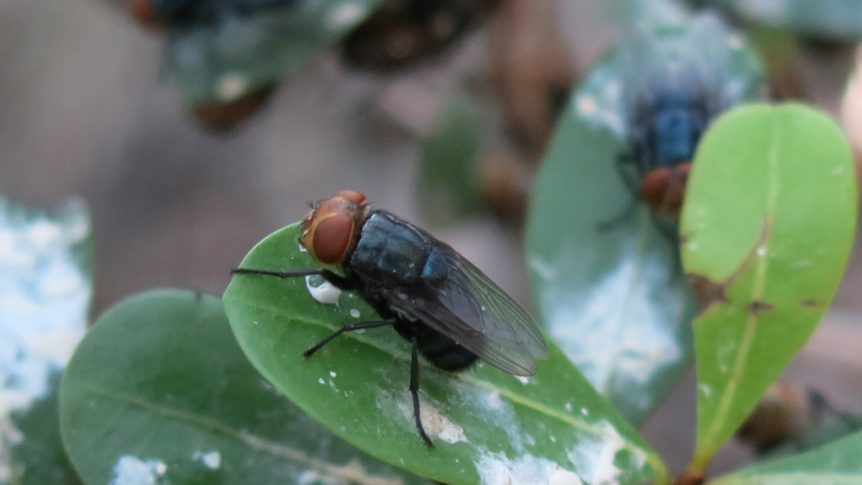
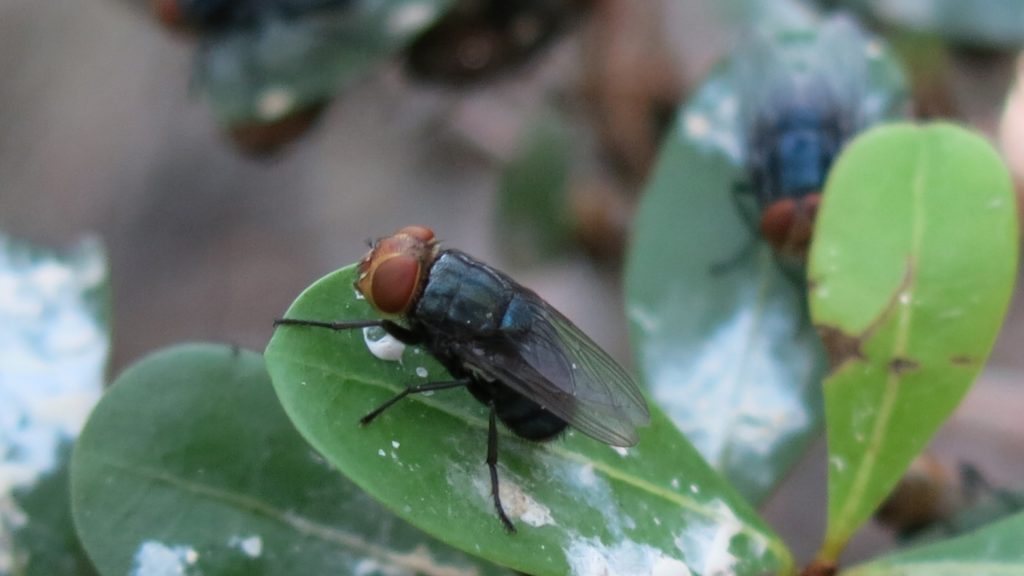
Courtesy of USDA/APHIS
Sterile insect techniques are once again being used to help control New World screwworm, but new USDA research could make the approach more precise. Research entomologist Alex Arp says USDA has developed NovaFly, a selective system designed to eliminate female flies during the embryonic stage and allow producers of sterile insects to focus releases on males.
The technology builds on the sterile insect technique (SIT), which has historically been used to suppress New World screwworm populations. The approach relies on releasing sterile insects that mate with wild populations, reducing the number of viable offspring produced.
NovaFly Targets Female Flies
According to Arp, male flies are the key component in population suppression efforts. However, traditional New World screwworm SIT programs have involved releasing both male and female flies.
“Only the male flies are actually contributing to that population suppression,” Arp explained.
The challenge is that producing and releasing female sterile flies does not provide the same population-suppression benefit as releasing males. NovaFly is designed to address that issue by selectively killing female flies while they are still embryos.
“That kills the females as embryos,” Arp said.
The system can be switched on and off, allowing researchers to maintain colonies containing both males and females when needed for reproduction while producing male-only generations for release.
Technology Could Improve Sterile Insect Programs
Arp said the selective nature of NovaFly gives researchers greater control over the production process. Colonies can be maintained with both sexes to continue reproduction, while the technology can then be activated to produce generations consisting primarily of male flies.
The development could provide a more efficient approach to sterile insect programs aimed at suppressing New World screwworm populations.
New World screwworm is a significant concern for livestock producers because the parasite’s larvae feed on living tissue and can cause serious wounds in animals. Sterile insect programs have been an important tool in efforts to manage the pest and prevent its spread.
However, NovaFly is not yet ready for widespread use. The technology will still need to go through regulatory review before it can be implemented.
“The NovaFly will still have to undergo regulatory approval through the Environmental Protection Agency,” Arp said.
The research represents another step toward developing more targeted tools for managing New World screwworm and protecting U.S. livestock.
Listen to the accompanying podcast for more details on NovaFly, the sterile insect technique and how USDA researchers are working to improve New World screwworm control.