









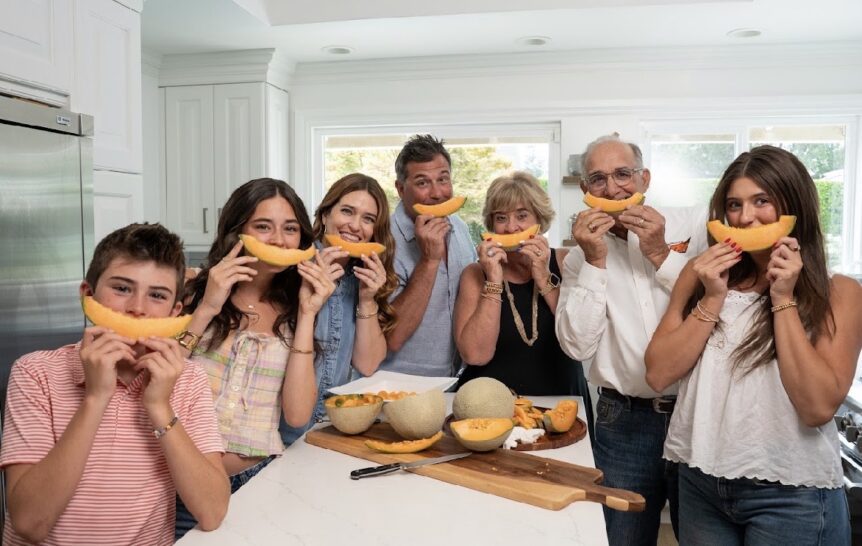
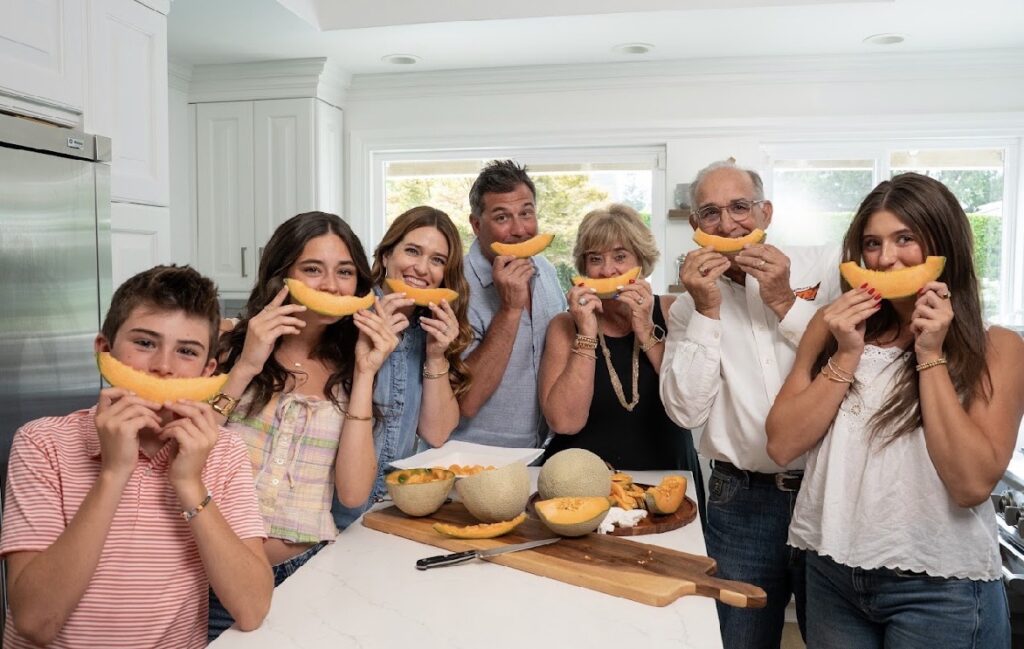
California’s cantaloupe industry is taking a fresh approach to an old challenge: how do you get younger consumers excited about a familiar fruit?
For Marilyn Freeman, president of Farmers Communication Exchange, the answer is a combination of creative storytelling, social media and putting California farmers front and center.
Freeman recently joined “The Ag Meter” Nick Papagni to discuss the California Cantaloupe Advisory Board’s new marketing strategy and the industry’s effort to introduce cantaloupe to a younger generation.
Farmers Communication Exchange, headquartered in Sacramento, works with agricultural associations on public relations, social media, crisis management and consumer education. Freeman said one of the agency’s primary goals is helping consumers understand where their food comes from and telling the stories of the people who grow it.
Cantaloupe Marketing Targets Gen Z
Freeman said cantaloupe growers recognize that their traditional consumer base tends to be older. Younger shoppers may not have the same connection to cantaloupe, with some viewing it as an old-fashioned fruit.
The industry’s response is to meet those consumers where they spend their time—on social media.
TikTok has become a major part of the campaign, with the California Cantaloupe Advisory Board focusing on fun, entertaining and engaging videos designed specifically to capture the attention of Gen Z consumers.
The campaign has partnered with Fresno-based Backstory Creative to produce creative video content. Freeman said video is essential to today’s social media environment, and the team is producing humorous material that consumers may not typically expect from an agricultural organization.
Specialty Crop Grant Provides Marketing Resources
A modern social media campaign requires more than simply creating an account and posting videos.
Freeman explained that the cantaloupe organization is relatively small compared with larger commodity marketing groups. To expand its efforts, the California Cantaloupe Advisory Board applied for and received funding through the California Department of Food and Agriculture’s Specialty Crop Block Grant Program.
The funding is helping pay for creative content and targeted social media advertising aimed at younger consumers.
Freeman noted that while posting on social media may technically be free, doing it effectively requires investment in quality creative work, strategy and advertising.
Making Cantaloupe Fun Again
The campaign isn’t relying solely on traditional messages about vitamins and nutrition.
Freeman said younger consumers are interested in where their food comes from and who grows it, but the information needs to be delivered in a way that is entertaining and engaging.
One example is a viral cantaloupe recipe circulating online that involves freezing half a cantaloupe and adding half-and-half or cream to the center. The mixture can then be scooped into a slushy, ice-cream-like treat.
For the cantaloupe industry, recipes and trends like this provide an opportunity to get consumers thinking differently about the fruit.
The goal is simple: make someone see a cantaloupe video, think it looks good and decide, “I think I’ll buy a cantaloupe.”
Today’s Cantaloupes Are Different
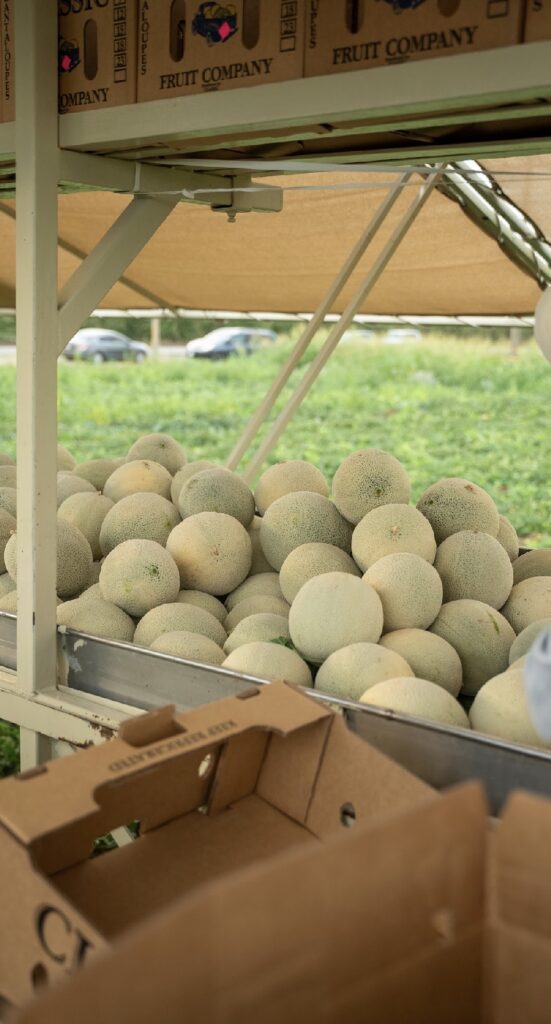
Another part of the campaign addresses a common consumer question: How do you know when you’ve selected a good cantaloupe?
Freeman said many shoppers still believe they need to smell, thump or carefully examine a cantaloupe before buying it. But she explained that newer varieties have changed the consumer experience.
Today’s cantaloupes are generally crisper and sweeter, with less of the mushy and musky characteristics some consumers remember from older varieties. Freeman’s advice is not to overthink the selection process—just pick one up and buy it.
California Grown Takes Center Stage
The campaign is also emphasizing the importance of California production.
Freeman said California produces approximately 75% of the cantaloupes grown in the United States during the summer months. Because California’s production season is complementary to winter imports, the industry has a significant opportunity during the summer to promote California-grown cantaloupes.
The campaign introduces consumers to the farmers behind the fruit while highlighting California’s quality and production standards.
But Freeman stressed that the message should not feel like a lecture. The information needs to be presented in an entertaining way that connects with consumers.
Putting Farmers in the Spotlight
One of the most important elements of the campaign is the farmers themselves.
Freeman said growers have been welcoming to the agency’s camera crews and willing to participate in creative videos. That cooperation has helped the campaign show consumers the people behind the food they purchase.
“The Ag Meter” Nick Papagni emphasized the importance of making farmers the stars of the story, particularly at a time when agriculture needs to connect with younger generations.
Freeman agreed, saying the farmers deserve the credit and that the campaign wants consumers to see them as the “rock stars” they are.
A Three-Year Effort to Build an Audience
The social media campaign is designed to continue well beyond a single growing season.
Freeman said the Specialty Crop Block Grant covers three years, giving the industry time to produce additional videos, experiment with new ideas and build an audience that can continue to engage with California cantaloupes in the future.
The team already has more content in development that has not yet been released.
The broader goal is to establish an ongoing relationship with consumers rather than simply promoting cantaloupes during one season.
This Year’s Cantaloupes Are Getting Good Reviews
Freeman’s message to California consumers is straightforward: go buy a cantaloupe.
She said California cantaloupes are currently at peak volume and that this year’s quality has been particularly good.
That is notable because the industry’s social media channels have received consumer complaints about cantaloupe quality in previous years. This year, Freeman said, the conversation has changed, with consumers commenting that the cantaloupes are especially good.
She encouraged consumers to pick one up at the grocery store without worrying about complicated selection techniques—and then visit the industry’s social media channels for creative ideas and recipes.
Follow California Cantaloupes
The campaign is active across Instagram, Facebook, X, TikTok and Pinterest.
Consumers can search for California Cantaloupes on those platforms or visit CaliforniaCantaloupes.com, where links to the industry’s social channels are available.
The campaign represents a larger shift in how agricultural commodities communicate with consumers. Instead of waiting for younger shoppers to seek out information about farming, the industry is taking the story directly to them through the platforms they use every day.
And if the strategy succeeds, consumers won’t just see a cantaloupe on their phone—they’ll see the farmer behind it, discover a new way to enjoy it and remember to put one in their shopping cart.
Listen to the Full Interview
Want to hear more about how California’s cantaloupe industry is using TikTok, recipes, farmers and creative storytelling to reach a new generation?
Listen to the full conversation between “The Ag Meter” Nick Papagni and Marilyn Freeman, president of Farmers Communication Exchange, for more on the campaign, the industry’s three-year marketing effort and the future of promoting California-grown cantaloupes.