








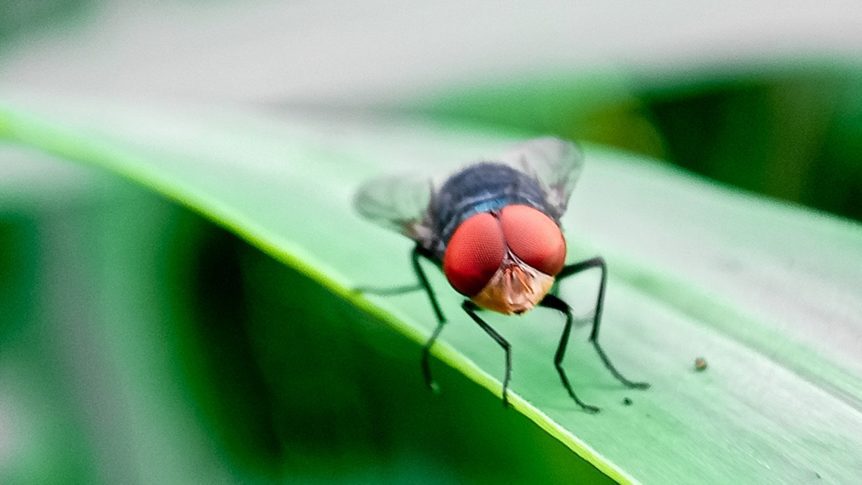
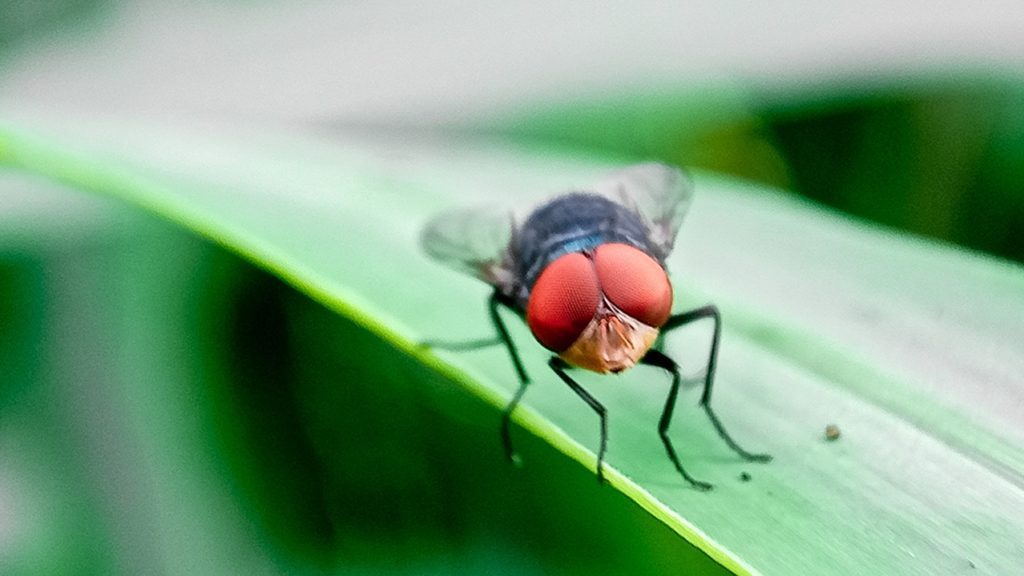
Mexico has resumed live cattle exports into the United States, with cattle crossing through the Douglas, Arizona, port under new safeguards designed to reduce the risk of New World screwworm. The latest report details the multi-stage inspection and treatment process now required before Mexican cattle can enter the U.S.
New World Screwworm Protections Begin at Origin
USDA Acting Chief Veterinary Officer Alan Huddleston explained that the first stage of the protocol begins at the cattle’s farm of origin or an export gathering center.
Within 30 days of movement, an accredited veterinarian must inspect the animals to confirm they are not showing signs of disease, including New World screwworm infestation.
Additional treatments are required before the cattle leave the export facility. Between seven and 14 days before movement, animals receive a tick treatment. Then, three to five days before crossing into the United States, cattle are treated with a product designed to both treat and prevent New World screwworm.
“They’ve had a treatment already,” Huddleston explained, noting that the cattle must then receive an international health certificate before advancing to the next stage.
U.S. Entry Includes Additional Inspections
The second stage of the protection protocol begins within 24 hours of the cattle crossing into the United States.
A Mexican veterinarian conducts another inspection before the animals undergo several additional safeguards, including official animal identification and screening by detector dogs.
A final veterinary review is also required before the cattle can proceed through the import process.
The layered approach is intended to provide multiple opportunities to identify potential disease concerns before imported cattle move farther into the U.S. livestock system.
The resumption of cattle trade is significant for producers and livestock markets on both sides of the border, but the New World screwworm threat remains a major consideration for animal health officials.
The protocols are designed to allow trade to resume while maintaining safeguards intended to protect the U.S. cattle herd.
As cattle movement gets underway again, producers and industry groups will be watching closely to see how the new procedures perform and whether additional measures are needed.
Listen to the accompanying audio report for more details from Huddleston on the cattle import protection protocols and the steps required for Mexican cattle entering the United States.