









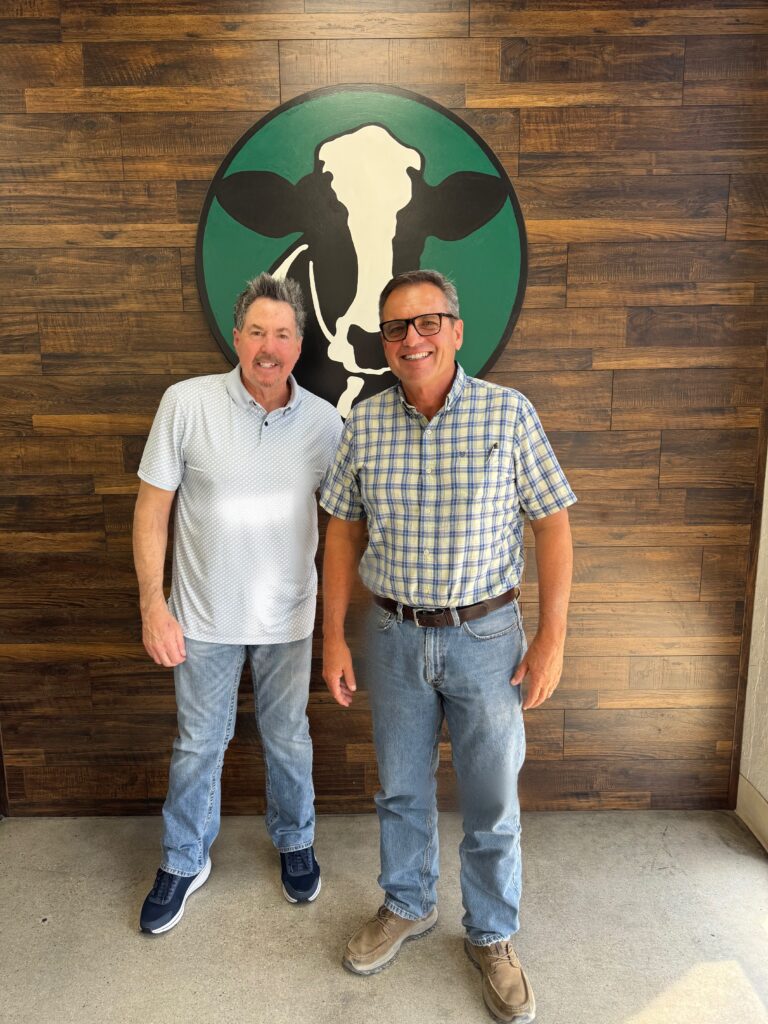
What started as a family dairy in Tulare has grown into a California value-added success story. In a recent interview with “The Ag Meter” host Nick Papagni, Noel Rosa, president of Rosa Brothers Milk Company, sat to discuss the family’s transition from commodity milk production to a branded dairy business built around bottled milk, ice cream and other locally produced products.
For anyone who has ever reached into a California grocery store refrigerator for a red-cap bottle of Rosa Brothers whole milk, the interview offers a fascinating look at what happens before that bottle reaches the shelf.
From Family Dairy to Value-Added Business
Noel Rosa grew up on the family dairy farm, attended schools in the Hanford area and eventually graduated from Cal Poly San Luis Obispo. After college, he and his brother Roland returned to work with their father, with an agreement that they could eventually purchase the operation.
The brothers purchased the cows first and then the facility, initially continuing as commodity milk producers. But they eventually wanted more control over their product and its value.
In 2012, they made the leap into value-added dairy production, building their own creamery in Tulare because there were few opportunities to have milk bottled in glass through a co-packer. Rosa Brothers’ own website confirms that the family began processing its farm’s milk in a small Tulare creamery in 2012.
That decision fundamentally changed the business.
Why the Glass Bottle Matters
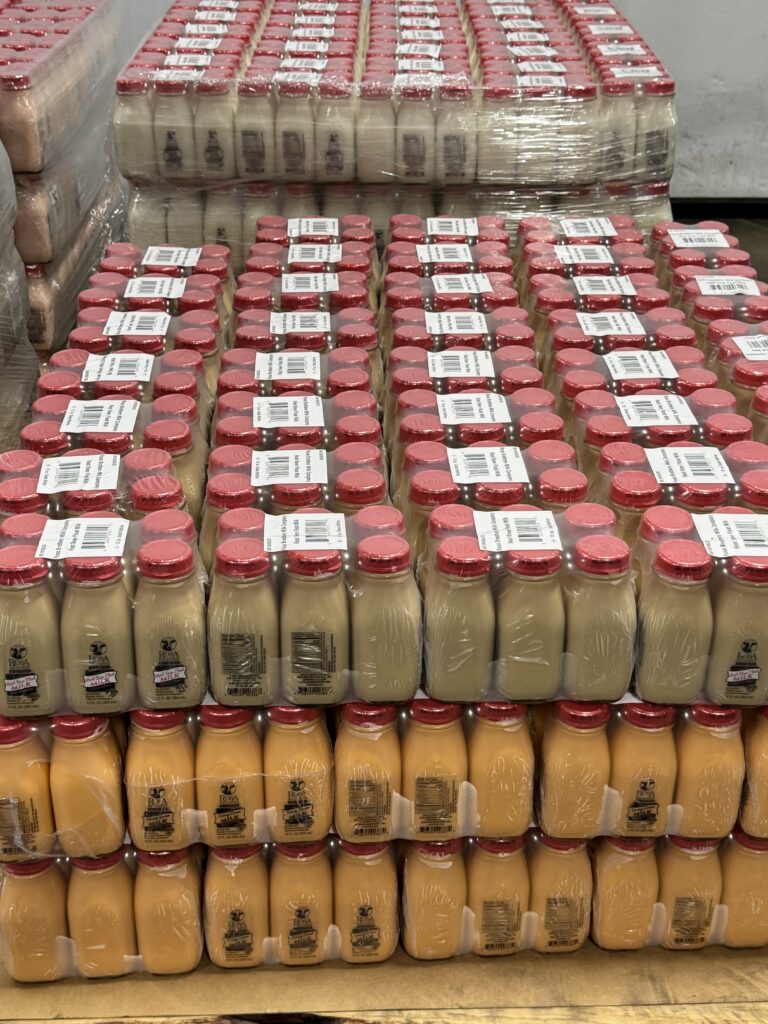
One of the most recognizable features of Rosa Brothers Milk is its reusable glass bottle.
Rosa explained that milk is sensitive to surrounding odors and flavors. Unlike plastic or cardboard, glass does not impart those characteristics to the milk. The thick bottle also helps keep the milk cold.
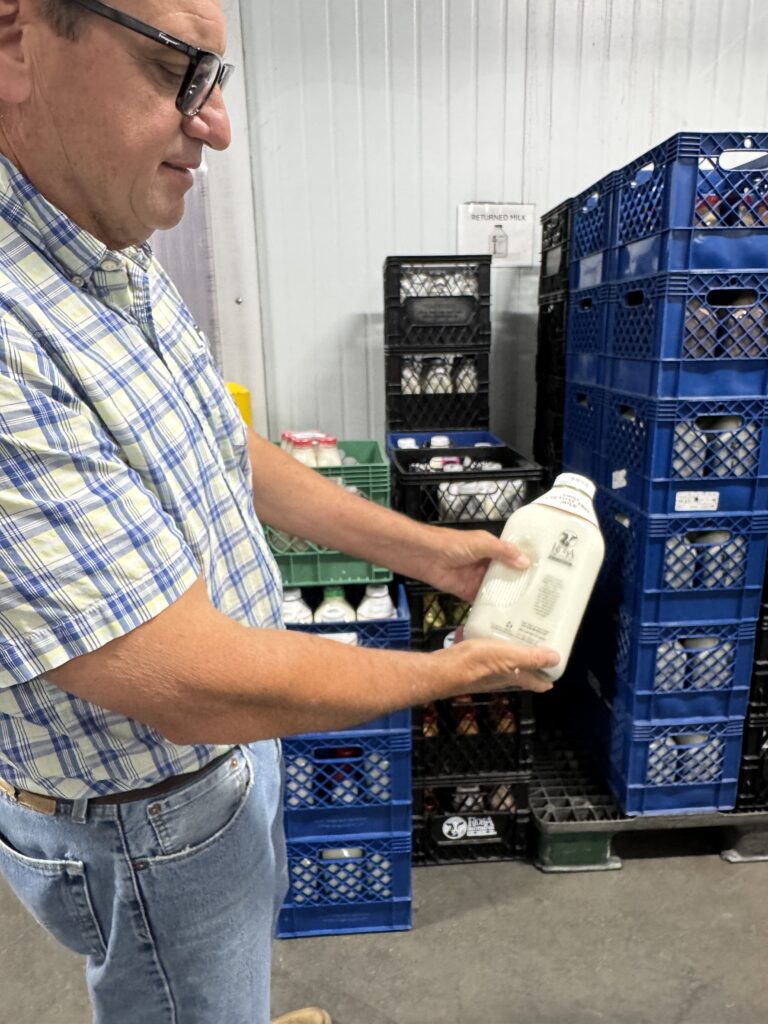
The company collects returned bottles, washes and sanitizes them, inspects them and puts them back into circulation. Rosa Brothers describes its glass bottles as refillable and reusable multiple times.
The red-cap whole milk has become the company’s top seller, followed by chocolate milk.
From Feed Crops to the Finished Product
Rosa Brothers’ operation is vertically integrated in a way that gives consumers a direct connection to the farm.
The process begins with growing crops to feed the cows. The family raises and cares for the cattle, milks them and transports the milk directly to its Tulare creamery.
There, the company handles pasteurization, homogenization, flavoring and bottling. It also produces its ice cream mix before moving finished products into cold storage for distribution.
Products going to stores within roughly 100 miles are delivered by Rosa Brothers’ own trucks, while more distant markets use distribution partners.
The company emphasizes keeping products cold throughout the distribution process to maximize quality and shelf life.
Building a Broader Dairy Portfolio
Milk remains at the heart of the business, but Rosa Brothers now produces an extensive range of dairy products.
The company offers whole, reduced-fat, skim and lactose-free milk, along with a variety of flavored milks. Its current product lineup also includes heavy cream, half-and-half, coffee creamers and a broad selection of ice cream.
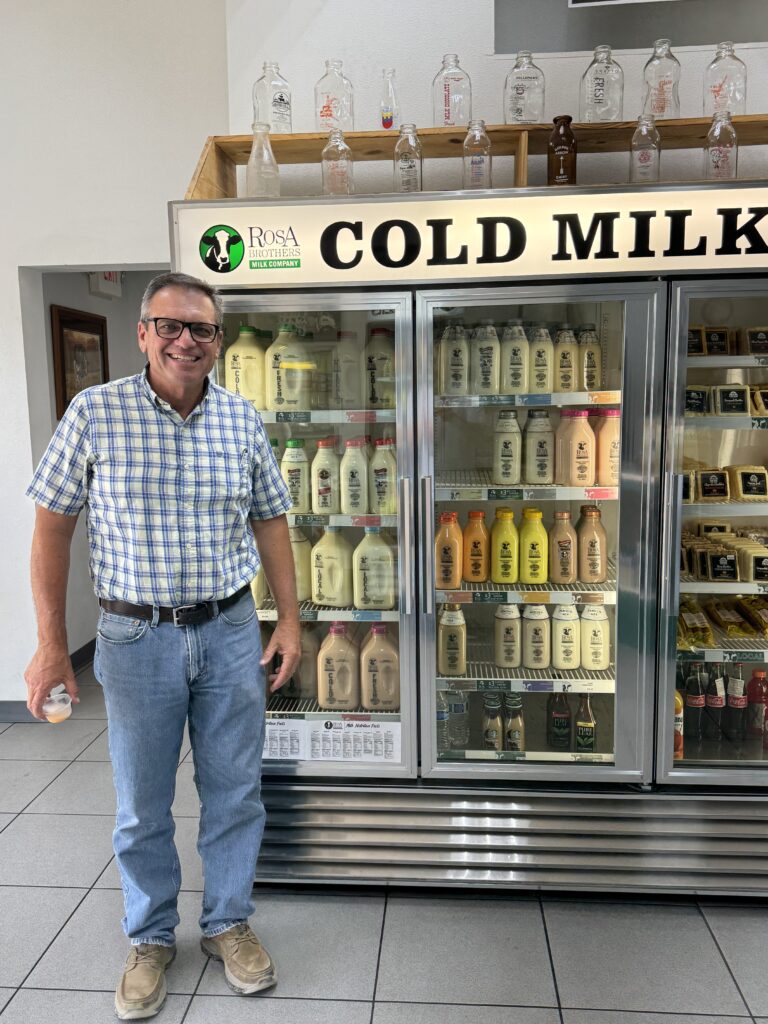
The company has also developed specialty products, including artisan ice cream sandwiches and newer flavors such as lemon cream pie.
Rosa explained that new product ideas come from ingredient suppliers, consumer requests and family members. When repeated customer requests reach a certain level, the company begins developing the product.
That consumer-driven approach has produced some unusual favorites, including root beer float milk, as well as more traditional flavors such as chocolate, strawberry and vanilla.
Local Products Support Local Agriculture
The Rosa Brothers store is not limited to products made by the family.
The company also sells local honey, beef, chocolate, nuts and other products. Rosa said the business works with several local beef producers because the family wants to help other farmers and ranchers capture additional value from their commodities.
That philosophy mirrors the company’s own transition from selling commodity milk to developing branded products.
A Dairy Business Facing California’s Challenges
The value-added business has helped provide greater income stability compared with the family’s former reliance on commodity milk prices.
Rosa said commodity milk production can be around break-even depending on the processor and pay price, while strong beef prices have provided another benefit for dairy farmers breeding some cattle to Angus.
But California dairy producers continue to face significant challenges.
Water is one of Rosa’s biggest concerns. The family’s original farm is not located in an especially strong water area, creating long-term concerns about growing enough feed and potentially requiring more purchased feed.
Energy, insurance, diesel fuel, electricity and other costs are also rising.
Rosa said California is a difficult place to do business, but the state also provides advantages, including mild weather and substantial dairy infrastructure.
Extreme Heat and National Milk Supply
Recent triple-digit temperatures also affected dairy production.
Rosa said modern cow-comfort systems—including fans, soakers and misters—have helped the herd handle heat. However, prolonged extreme temperatures caused a significant drop in milk production across the industry.
At the same time, national milk production has been increasing, with more cows being added in parts of the Midwest. That additional supply has put pressure on commodity prices, particularly cheese and butter.
Could Whole Milk Return to Schools?
Another major topic was milk consumption among children.
Rosa believes bringing whole milk back into schools could have a major long-term impact on the dairy industry. He argued that decades of serving low-fat or non-fat milk, sometimes warm and in less appealing packaging, turned many children away from milk.
He believes better-tasting milk and better packaging could help bring young consumers back.
Rosa even suggested that reusable glass bottles could eventually be part of a school program if a workable collection, washing and return system could be developed.
The larger goal, he said, is to get children drinking milk again so they continue the habit at home and potentially become lifelong milk consumers.
Growth Is Creating a New Challenge
Rosa Brothers has expanded enough that its biggest limitation is no longer necessarily milk supply.
The family currently has sufficient milk from its own cows. The challenge is processing capacity and having enough hours in the day to run everything through the facility.
The company has already expanded beyond its original footprint, including a new ice cream facility, and is making additional changes to accommodate future growth.
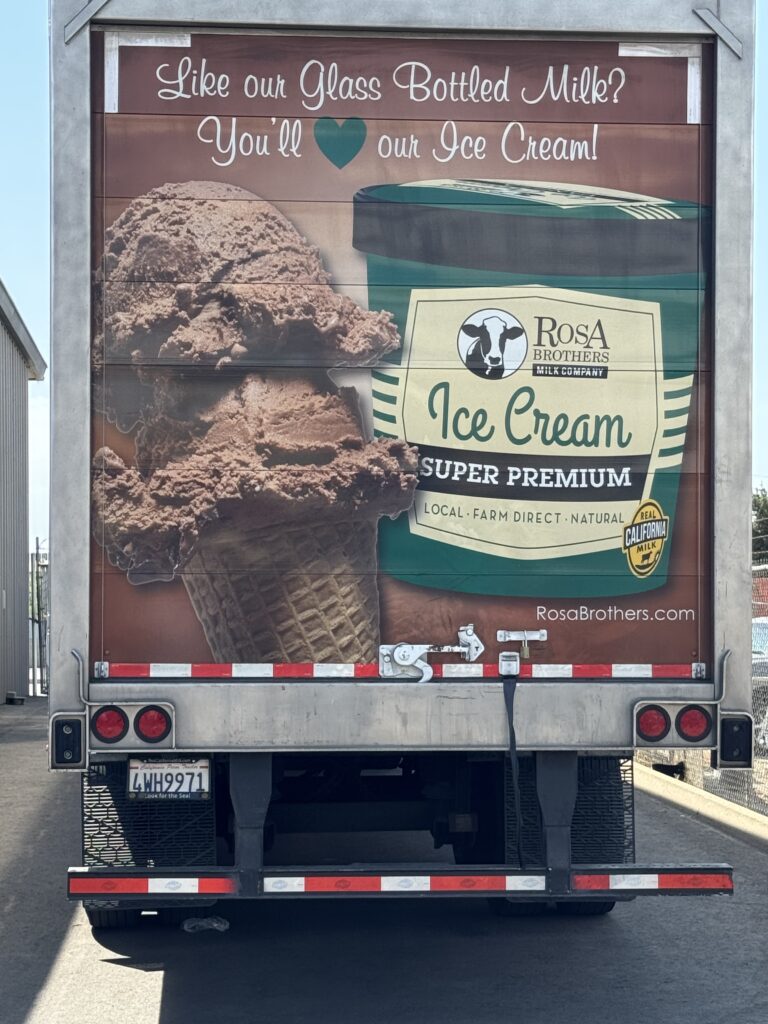
Ice cream remains a particular opportunity. Milk has significantly broader distribution because the distinctive glass bottle helps the product stand out on grocery shelves. Getting ice cream into more stores is more difficult because it competes against major national brands for freezer space.
The Future of Rosa Brothers
The next generation could eventually become part of the family business, although Noel Rosa says nothing is guaranteed.
One son is an Air Force pilot, his daughter works in healthcare, another son is pursuing religious life, and his youngest son is beginning an agribusiness education at Cal Poly San Luis Obispo.
The extended Rosa family also has younger members involved in agriculture.
Whether the next generation returns to the dairy remains to be seen. For now, Noel and Roland Rosa continue building a business that demonstrates how California farmers can move beyond commodity production through processing, branding, packaging and direct consumer connections.
Consumers can also play a role in the company’s expansion. Rosa’s message during the interview was simple: ask your local grocery store for Rosa Brothers ice cream. When consumers request a product, retailers listen.
Rosa Brothers provides information for retailers interested in carrying its products through Rosa Brothers Milk Company website. The company also welcomes visitors to its Tulare creamery, where consumers can observe production through viewing windows and purchase milk, ice cream and other locally produced products.
Listen to the Full Interview
There is much more to the conversation between “The Ag Meter” Nick Papagni and Noel Rosa than can fit into a single article.
From the family’s decision to leave commodity milk behind, to the story behind the glass bottles, new ice cream flavors, California’s water and energy challenges, school milk consumption and the possibility of future expansion, the interview provides an inside look at one of California agriculture’s most recognizable family dairy brands.
Listen to the full Ag Meter interview with Nick Papagni and Noel Rosa to hear the complete story behind Rosa Brothers Milk.