








Barns have long been a symbol of America’s agricultural heritage. They vary widely in size, shape, and purpose, yet many still stand as enduring reminders of the nation’s farming past. From working barns that once stored crops and housed livestock to architectural marvels built for display, barns tell the story of American agriculture in both function and form.
The Cooper Barn: A Monument to Farm Life
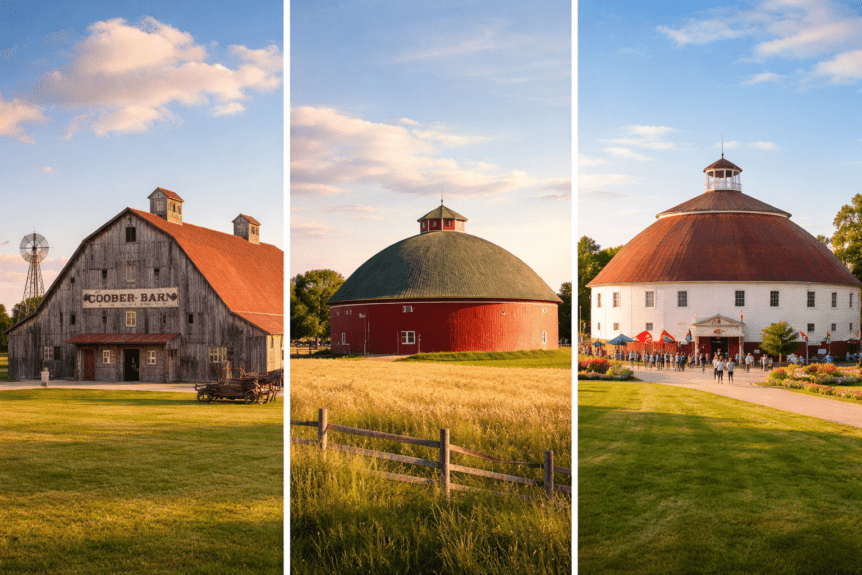
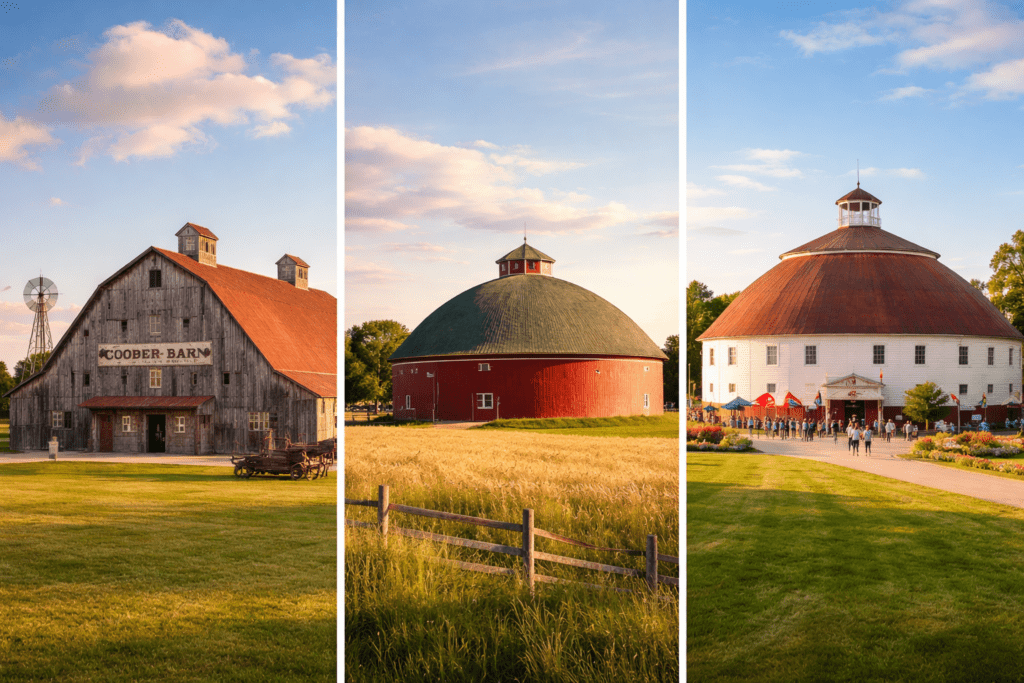
One of the largest barns still in active use is the Cooper Barn in Colby, Kansas. This barn, now operating as a museum, preserves the legacy of the region’s farming history. Visitors can explore its expansive structure and learn about the daily life and labor of farmers who once relied on such barns for essential farm operations.
Nebraska’s Round Barn: A Working Wonder
Moving north, near Red Cloud, Nebraska, sits the largest round barn that was once part of a working farm. Located near the Nebraska-Kansas border, this barn highlights a unique architectural style that combined efficiency with durability. Round barns were valued for their ability to streamline work inside, making feeding and cleaning livestock more practical for farmers of the era.
Marshfield’s Showpiece: The World’s Largest Round Barn
Not all large barns were built for everyday farm use. In Marshfield, Wisconsin, the world’s largest round barn stands proudly on the Marshfield Fairgrounds. Unlike the barns in Kansas and Nebraska, this structure was never used for farming operations. Instead, it was constructed as a show and sales barn, demonstrating innovation and craftsmanship while serving as a focal point for fairs and exhibitions. Its impressive design continues to attract visitors and architecture enthusiasts, preserving a unique chapter of agricultural history.
Barns, whether functional or ornamental, continue to celebrate America’s farming roots. They remind us of the ingenuity and dedication of past generations, offering a tangible connection to the agricultural landscapes that shaped the nation.